

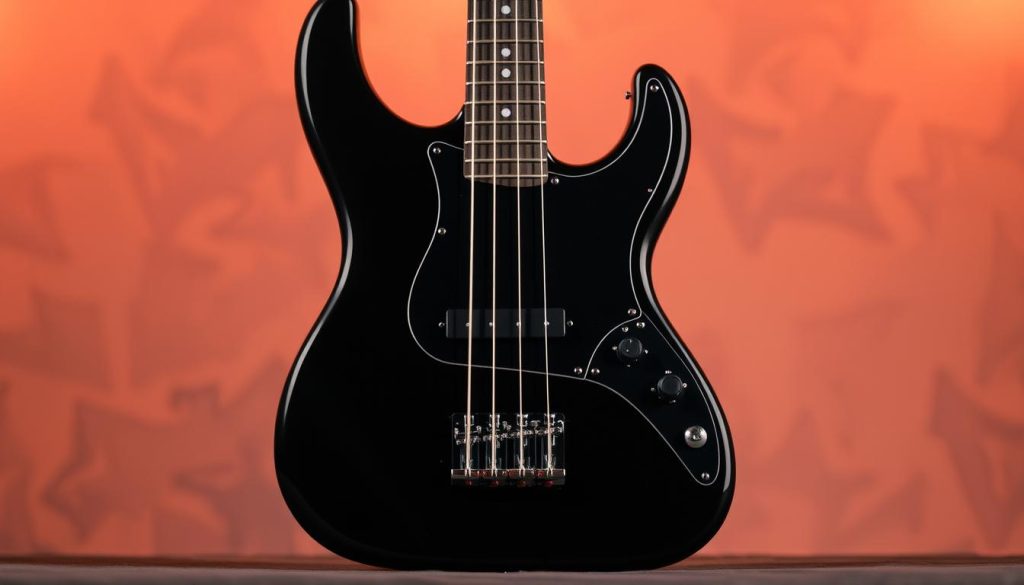
At a glance. Developed in collaboration with Marcus Miller, this bass aims to offer a credible alternative to Jazz Bass benchmarks. It comes in 4-string and 5-string versions and is intended for both stage and studio use.
Made in Indonesia, it remains reasonably priced without sacrificing assembly quality. Alder and swamp ash versions, along with the ’75 Reissue, offer options to suit different tastes.
Online reviews highlight its playability, versatility and effective electronics. The V7 Alder 4ST and the 5-string version, for example, receive high ratings.
This introduction sets the scene: design, specifications, sound, electronics and ergonomics. For firsthand impressions, see this discussion thread: owner feedback.
Overall, this model appeals both to working musicians and to players looking for their first genuinely good instrument.
Introduction and quick verdict
Who it is for in France today, and why this model deserves your attention
Designed with Marcus Miller and introduced at NAMM, this bass comes in 4-string and 5-string versions. It offers alder or swamp ash bodies and an 18 V active/passive preamp. Online feedback praises its build quality and tonal versatility.
Quick verdict: for a French bassist on a tight budget, it is a genuine working instrument. The playability of its neck is often cited as a strength. Its electronics cover several genres without complicated adjustments.
Some reviews mention considerable weight, depending on the version, and a preamp that can sometimes be noisy. Even so, its value for money remains appealing to anyone seeking a good-quality electric bass.
| Criterion | Advantage | What to check |
|---|---|---|
| Playability | Comfortable neck, adjustable action | Your neck and fingerboard preferences |
| Electronics | Versatile 18 V active/passive preamp | Possible noise in active mode |
| Versions | 4 or 5 strings, alder or ash, various finishes | Weight according to the wood |
- Quick tip: try your chosen version to assess its weight and sound.
- The 5-string version opens up modern possibilities; the 4-string remains a dependable choice.
Design, woods and finish
The choice of wood directly affects feel, sound and weight.
Alder or swamp ash body: ash gives a brighter attack and pronounced sustain, but it may be a little heavier. Alder produces a more balanced midrange and is common on the ’75 Reissue.

Neck and fingerboard: the C-profile maple neck is easy to handle. The bone nut improves vibration transfer and tuning stability. Depending on the version, the fingerboard may be maple, rosewood or ebony, changing how articulated passages feel under the fingers.
Finish, hardware and ergonomics
The Modern-S hardware and bridge let you string the bass through the bridge or through the body to adjust tension and response. The finish gives the model an attractive appearance, and the construction is sound.
- Advantage: a dynamic sound shaped by the wood you choose.
- Worth noting: some reviews report considerable weight and screw finishes that could be improved.
For an overview of its history and variants, see the ’75 edition.
Specifications, versions and budgets
This version brings together technical choices aimed at versatility and playing stability.
Key specifications: 34″ scale, 20 medium-small frets, 18 mm string spacing and a 46 mm nut width. The Modern-S bridge provides stability and punch. The C-profile neck is maple; the ebony fingerboard and bone nut improve vibration transfer.
Electronics and pickups: two Super‑J Revolution pickups are paired with the 18 V Heritage‑3 preamp. Controls include volume, pickup blend, bass, treble, mids/frequency on stacked knobs, and an active/passive switch.
| Component | Specification | Variants |
|---|---|---|
| Scale / frets | 34″ / 20 frets | 4 or 5 strings |
| Woods | Alder or swamp ash body | ’75 Reissue: American alder, maple, vintage finishes |
| Electronics | Super‑J pickups, 18 V Heritage‑3 preamp | Active / passive, two 9 V batteries |
| Indicative prices (France) | Entry-level and midrange | V3: around €374; V5: around €499; limited edition: around €545 |
Made in Indonesia, the range aims for an affordable price without sacrificing the essentials. For a thorough test and owner opinions, see this detailed review: V7 Alder‑5 test and review.
- In practice: the 18 mm spacing makes slap and fingerstyle easier.
- Budget: the wider range (V3, V5, V7 Vintage and V9) offers choices at different prices.
Sound, pickups and electronics
The combination of pickups and preamp defines the bass’s character and its place in a mix.
Super‑J Revolution pickups: a modern Jazz Bass palette
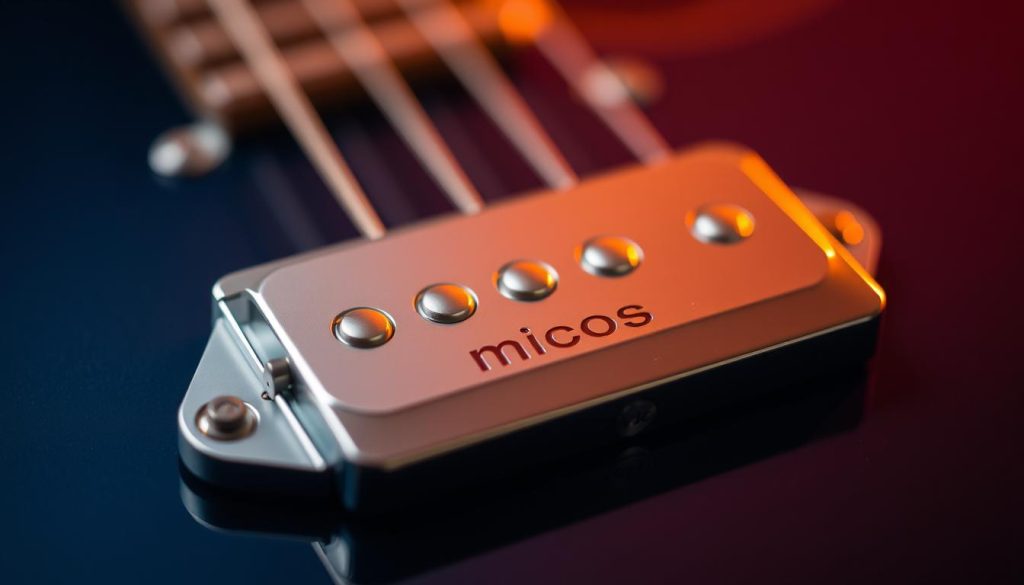
The Super‑J Revolution pickups sound close to a Jazz Bass, with a more modern edge. They deliver tight lows, clear mids and highs that cut through a contemporary mix.
The attack stays precise, suiting both slap and fingerstyle. Its interaction with the neck and wood affects the sound’s warmth and clarity.
Heritage‑3 18 V preamp: comprehensive EQ
The 18 V Heritage‑3 preamp works like a musical equalizer. Stacked knobs let you adjust the bass, treble and parametric mids.
In active mode, it has genuine headroom; the preamp must be used with restraint to preserve transparency and avoid muddying the sound.
Active or passive mode: versatility and precautions
Passive mode provides a simpler, more direct response, useful onstage or when the batteries are running low.
In active mode, keep an eye on the life of the two 9 V batteries and on possible preamp noise mentioned in some reviews.
- Tip: switch off the instrument before unplugging the cable to preserve the batteries.
- In the studio: start in passive mode, then add small adjustments in active mode.
To explore the Swamp Ash version, see this account of its sound and features: explore the Swamp Ash version.
In use: ergonomics, styles and settings
Onstage and in the studio, the feel and response of the bass quickly help build a player’s confidence.
From slap to jazz, funk and rock: the bridge pickup’s attack provides excellent slap articulation. In fingerstyle, the strings offer warmth and projection. For rock, boosting the mids on the amp helps the bass sit in the mix; for funk, a slight mid cut opens up space.

The neck remains comfortable and the action is easy to adjust, helping with fast passages and consistent right-hand playing. Reviews highlight its tuning stability, which is useful in the studio.
Stage and studio use in France
Onstage, the electronics respond well through headphones or an active amp. During long sessions, the body can feel heavy; a wide strap adds welcome comfort.
- Practical setup: start with neutral settings in the studio, then adjust the mids and treble at the amp.
- Adaptability: the instrument responds well to different string gauges.
- Comfort: choose a padded strap for extended playing.
| Situation | Suggested setting | Advantage |
|---|---|---|
| Slap / funk | Clear attack, slight midrange cut | Articulation and groove |
| Rock | Boosted mids, moderate compression | Presence in the mix |
| Studio | Neutral setting, adjusted with the preamp or amp | Quick, consistent recording |
Marcus Miller Sire V7: strengths and limitations
For anyone seeking a versatile electric bass that leaves room to grow without exceeding their budget, this version deserves a closer look.
Strengths
Value for money: reviews report excellent perceived quality for the asking price. The neck feels smooth and pleasant to play.
Tonal versatility: the electronics act as an equalizer, while passive mode lets you adjust your sound quickly onstage.
Finish and looks: the bass looks attractive, with a modern Jazz-style appearance that compares well at this price.
Limitations
The alder or ash body can feel somewhat heavy during long performances.
Some reviews mention that the preamp may produce noise, depending on the individual instrument or settings. A few hardware details could be improved.
“Comfortable neck and effective electronics, but bring a wide strap for long playing sessions.”
- Practical tip: monitor the batteries and use passive mode when needed.
- To reduce fatigue, choose a padded strap.
| Strength | Observation | Recommendation |
|---|---|---|
| Playability | Pleasant neck, responsive fingerboard | Suitable for ambitious beginners |
| Electronics | Versatile preamp | Watch battery life and noise |
| Price | Competitive price within the range | Good choice on a limited budget |
To see a Swamp Ash version, read the review and compare prices before buying.
Conclusion
In conclusion, the collaboration with Marcus Miller has produced a bass that delivers on its promise: musicality, ergonomics and visible finish quality for the asking price.
This bass remains versatile in both the studio and onstage. The 4-string and 5-string versions, 18 V preamp and choice of body wood provide useful tonal options.
Reviews identify few major drawbacks: weight varies by body, and the electronics can sometimes be noisy. Trying one in a shop and setting it up to suit your strings, amp and strap are advisable.
Verdict: if you want a reliable, musical instrument that can grow with you, this version is far more than a backup choice and deserves a place on your shortlist in France.