
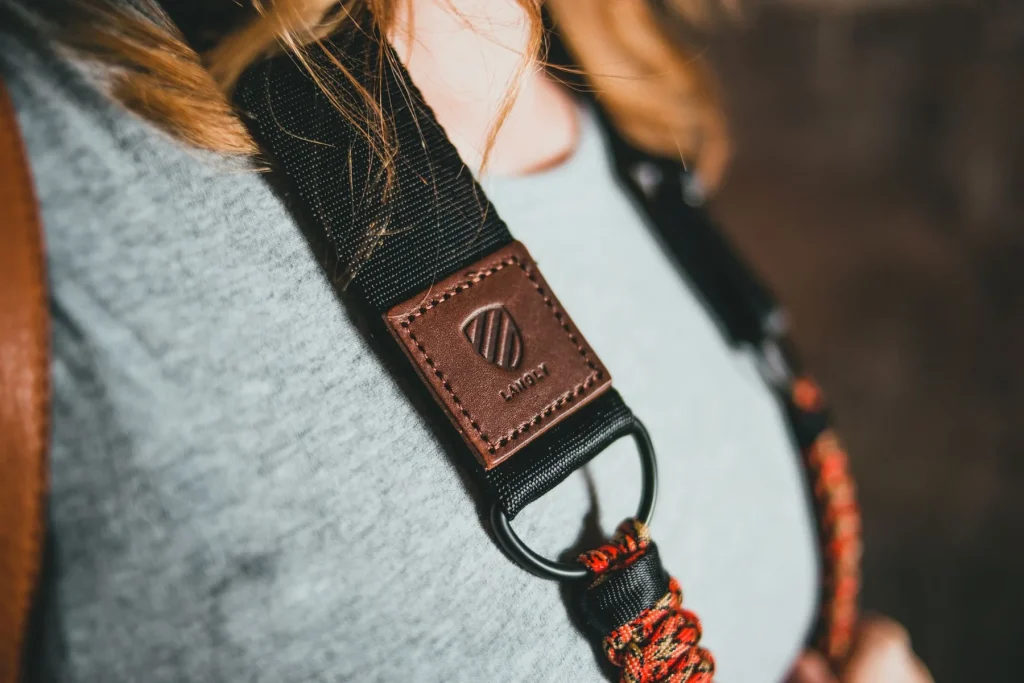
Why the right strap makes all the difference. Onstage or at rehearsal, a good strap improves posture, stabilizes the instrument and reduces fatigue. This guide covers three essentials: weight distribution, the feel against your skin and ergonomic padding.
We will compare modern and traditional materials — leather, cotton and jacquard weaves — along with features such as nonslip strips and fleece linings. Made in France, BG models stand out for their premium finishes, discreet nonslip strip and fleece and cotton terry lining, which absorbs sweat.
Who is this for? Beginners and professionals alike can find suitable options: Premium, Vintage and XL ranges for heavy electric guitars, as well as handmade straps from Bourbon Strap Guitar, Tom’s Vintage Straps, Dragonne and GET’M GET’M INC. This guide also provides price pointers and practical tips for keeping your instrument secure.
2025 buying guide for bassists in France: understand your needs onstage and in the studio
Start by assessing what you need onstage, in the studio and at rehearsal. Define your goal: stability and stamina during rehearsals, security and support onstage, or complete quiet during studio takes.
A bassist must manage the instrument’s weight, its balance on the shoulder and sweat under stage lights. These factors directly affect your playing style and the instruments you switch between, such as a heavy five-string bass or a fretless.
In France, The Guitar Division brings together craftspeople and premium brands. BG and Bourbon Strap Guitar are popular choices for long sessions. Tom’s Vintage Straps offers jacquard patterns inspired by the 1960s and 1970s. Dragonne tests ergonomics onstage, while GET’M GET’M INC. emphasizes premium design.
A quick method: determine the average length of your shows, identify friction points such as sweat and slipping, then rank width, padding, length and ergonomics in order of importance.
Decision checklist:
- Primary use: rehearsal, stage or studio
- Weight and balance of your instruments
- Locking systems for security
- Style and fit with your stage image
- Ready to choose a strap with confidence
Essential factors when choosing a bass strap
A good choice starts with understanding how a strap distributes weight and protects your shoulder.
Width and weight distribution
A wider strap spreads the load over a larger area. For heavy instruments, consider models up to 11 cm wide (XL) to reduce pressure points.
The result: less back pain and better stamina when playing standing up.
Padding and lining materials
Fleece provides soft cushioning. Cotton terry absorbs sweat while remaining breathable.
Neoprene and foam add flexibility and support. These materials also soften minor jolts as you move around the stage.
Length, adjustment and ergonomics
Adjustable straps let you set the playing height of your instrument. Try them while standing and sitting, then fine-tune the length to protect your wrist.
“Adjusting the length gradually helps prevent strain: a small change can improve your reach across the frets.”
| Factor | Common options | Benefit |
|---|---|---|
| Width | 7 cm / 9 cm / 11 cm | Better weight distribution and fewer pressure points |
| Padding | Fleece, cotton terry, neoprene | Sweat absorption, cushioning and flexibility |
| Adjustment | Adjustable from 80 to 198 cm | Comfort while standing or sitting |
Final tip: choose breathable lining materials, such as cotton terry, to keep your shoulder dry and reduce heat during long sessions.
Bass guitar straps: width, material and comfort
A strap with a larger contact area immediately changes how a heavy instrument feels.
Moving from a narrow strap (5 to 6 cm) to one that is 7 to 11 cm wide relieves the shoulder. The load spreads over a larger area, reducing pressure points.
A larger contact area can also help counter neck dive. With a broader support surface, there is less leverage at the neck. The bass stays steadier, helping you play more precisely and for longer.
Materials against the skin
Fleece cushions pressure and feels soft. Cotton terry absorbs sweat and limits the feeling of heat under stage lights.
Suede improves grip. Avoid very smooth surfaces if your bass tends to slip.
“BG Premium and Vintage models include a nonslip strip to stabilize the instrument onstage.”
Choose according to how much you sweat, where you position the instrument and how sensitive your skin is. The right combination protects the neck and shoulders and helps you play consistently.
| Problem | Solution | Effect |
|---|---|---|
| Sore shoulder | Width of 9 to 11 cm | Fewer pressure points |
| Neck dive | Nonslip strip and wider contact area | Steadier neck |
| Heat and sweat | Cotton terry and fleece | Absorption and less heat buildup |
A closer look at materials: leather, cotton, nylon, vintage fabrics and vegan options
Each material offers distinct practical benefits and a different look.
Soft, waxed or vintage leather
Leather is notably durable. Over time, it softens and develops a patina that adds to its onstage style.
BG and Bourbon Strap Guitar offer sturdy models. The waxed leather used in BG Vintage models becomes more comfortable against the skin after a few uses.
Cotton and suede-linen blends
Cotton absorbs sweat well and grips the shoulder naturally. Suede-linen blends add a soft feel and stand up to the heat of long sessions.
Nylon and polyester
These fibers are light and affordable. They suit tighter budgets but may offer too little grip for heavy instruments.
Vegan alternatives and vintage fabrics
Modern vegan leathers imitate the texture of leather and are often lined with fleece and cotton terry. BG offers a matte-black Premium Vegan model with a fleece lining and nonslip strip.
Tom’s Vintage Straps uses jacquard weaves inspired by the 1960s and 1970s for a distinctive look.
“Testing how a material feels against your skin is essential to check its comfort and grip.”

| Type | Benefit | Drawback |
|---|---|---|
| Leather (soft or waxed) | Durability, patina, support | Price and maintenance |
| Cotton, suede, linen | Absorption and natural grip | Wears faster with intensive use |
| Nylon, polyester | Light weight and affordable price | Less grip |
| Vegan leather, composites | Animal-free choice and performance linings | Lifespan varies with quality |
To guide your purchase: choose leather for longevity and support, cotton for natural grip, and nylon for affordability and light weight. Always test the texture and the fit with your instrument before buying.
Lasting comfort: preventing shoulder, back and neck pain
To play all evening without fatigue, the ergonomics of the attachment and padding matter.
Performance padding (neoprene, foam or an air cushion) reduces pressure points. It can improve comfort and limit strain in the neck and back.
BG models combine fleece, cotton terry and an integrated nonslip strip. Together, these features keep the shoulder drier and reduce muscle fatigue while playing.
Stability and balance
A wider strap, up to 11 cm, helps counter neck dive. The position of the attachment points and the strap on your shoulder balance the instrument’s weight and reduce tiring readjustments onstage.
| Problem | Technical solution | Effect |
|---|---|---|
| Back strain | Foam padding or air cushion | Better posture and less fatigue |
| Neck dive | Nonslip strip and broad contact area | Stability and fewer readjustments |
| Sweat | Fleece and cotton terry | Drier shoulder and longer playing time |
Testing in real playing conditions is essential. A rehearsal or soundcheck lets you confirm the most stable, comfortable setup for precise playing.
Standard or XL width: when to move up to 9 to 11 cm
When the instrument’s weight becomes noticeable on your shoulder, it may be time for a wider strap.
If your bass pulls on your shoulder or tips forward, consider a width of 9 to 11 cm. A larger contact area can distribute the load more effectively.
The benefits of XL models are clear: more contact area, better weight distribution and greater stability while moving. Musicians who play onstage gain confidence and freedom of movement.
BG offers Premium XL and Vintage XL models. They retain the fleece and cotton terry lining and the same nonslip strip as the standard models, while providing a wider contact area.
For an XL model, favor supple leather: it provides support and longevity without feeling stiff. Test it while playing.
“Try a standard model for 30 minutes, then an XL model for 30 minutes to gauge the difference.”
Practical tip: increase the width gradually. Start with 8 to 9 cm, then move to 11 cm if the bass guitar still feels demanding to carry.
Length and adjustment: finding the right playing height
The right length gives you more stable playing while standing and sitting. A proper fit prevents strain and makes it easier to change position quickly.
How to measure: attach the strap to your instrument and measure the distance between its strap buttons and the base of your neck. Choose an adjustment range that lets you move freely without pulling on your shoulder.
Sizes S to XL and adjustment ranges of 80 to 198 cm
S, M, L and XL models generally cover a range of 80 to 198 cm. A broad adjustment range makes it easier to use one strap with different instruments and playing positions.
Tip: choose a broad adjustment range if you play several guitars or share the strap.
Quick adjustments between sitting and standing
- Favor a quick-adjustment system if you change position during a show.
- Set the height to protect your wrist and shoulder and maintain a consistent attack on the strings.
- Cotton linings limit slipping during frequent adjustments.
“Mark your preferred positions discreetly so you can return to the right setting in one move.”
For more guidance, consult this practical guide to adjusting and choosing your equipment: everything you need to know about straps.
Attachment systems and instrument safety
Your instrument’s safety depends on its attachments as much as on the strap itself.
A worn attachment may come loose unexpectedly, causing impacts and expensive damage.
Straplocks, strap blocks and attachments
Straplocks: this system provides a high level of security. It clips into place to lock the strap and prevent accidental detachment.
Note: installation may require replacing the instrument’s strap buttons. A luthier may be needed for a neat installation.
Strap blocks: these simple, affordable rubber rings fit over the strap buttons. They help secure the strap without altering the instrument.
When to install a locking system
Install one if you move around a lot onstage or play heavy instruments. Regularly inspect the buttons and strap holes for wear.
“A quick check before every performance can prevent an unpleasant surprise.”
- Risks of a worn attachment: a fall, scratches or breakage.
- Straplocks: maximum security; installation sometimes requires a professional.
- Strap blocks: a reversible solution suitable for electric guitars.
- Inspect the buttons, screws and strap holes.
| Option | Benefit | Drawback |
|---|---|---|
| Straplocks | High security, ideal for the stage | Installation often alters the instrument and may require a luthier |
| Strap blocks | Easy to fit, affordable and noninvasive | Less discreet; hold depends on wear |
| BG accessories | Universal attachment (€8), soundhole cords, banjo hooks | Usefulness varies by model and purpose |
Practical tip: choose a system suited to how you perform and test the attachment after installation.
Styles and patterns: 1960s and 1970s vintage, modern, glam and stage looks
The look of a strap can shape your stage presence before you play a note. Seek a balance between appearance and support.
Looks and finishes
Retro jacquard patterns: Tom’s Vintage Straps reissues 1960s and 1970s weaves for a rich, textured look.
“Crocodile-style” finishes: BG offers Premium models that imitate crocodile skin with a carefully finished patina.
Glam and crystals: BG’s Glam range incorporates Swarovski crystals for a bold stage look. GET’M GET’M INC. also favors striking designs.
How to match and test your strap
- Match colors such as black, brown, white or red to your guitars, or create a strong contrast to define your look.
- Check that the decorative finish does not reduce grip on the shoulder side.
- Choose models that stay securely in place while you play.
“Style reinforces a band’s identity, but stability must still come first.”
Brands and craftsmanship mentioned in the sources
The makers mentioned here combine handcrafted finishes with the demands of live performance. This overview highlights the practical and aesthetic choices available in France and Europe.

BG (made in France) offers a range designed for demanding musicians. Its integrated nonslip strip, fleece and cotton terry linings, and XL options up to 11 cm wide improve support onstage.
Thoughtful packaging: some ranges include a care glove and a water-resistant backpack. BG also offers a Premium Vegan version and premium finishes suited to electric guitars.
Bourbon Strap Guitar
Made in Spain with natural leather and a sturdy construction. This maker focuses on durability for long sessions.
Tom’s Vintage Straps
A specialist in 1960s and 1970s jacquard. Its authentic retro look appeals to fans of vintage style.
GET’M GET’M INC.
Bold designs and premium materials. This brand emphasizes visual impact and quality finishes.
Dragonne
Its ergonomics are tested onstage with artists. Its modern designs aim to reduce adjustments during shows.
In summary: these brands address both style and performance, with practical and aesthetic options for different musicians.
| Brand | Strengths | Best suited to |
|---|---|---|
| BG | Nonslip grip, fleece and terry lining, XL models, accessories | Demanding musicians and live performers |
| Bourbon Strap Guitar | Natural leather, made in Spain | Professionals playing long sessions |
| Tom’s Vintage Straps | 1960s and 1970s jacquard weave, retro look | Fans of vintage style |
| GET’M GET’M INC. / Dragonne | Premium design / stage-tested ergonomics | Artists seeking visual impact or proven ergonomics |
Prices and positioning: comfort, style and budget
Prices range from basic accessories to elaborate models. They reflect the intended use: rehearsal, stage performance or visual identity.
Confort, Premium, Vintage, XL: what are you paying for?
Entry level: a strap-button attachment at €8, an acoustic-guitar cord at €20.80 and a comfort cord at €30.30.
These accessories meet basic safety needs and can provide a handy solution. They are affordable but offer little lasting padding.
Midrange: a leather cord at €58.80; banjo straps at around €90; Confort models from €99 to €110.
Here you pay for a better balance of practicality and quality: thick cotton, fleece, a more secure fit and an immediate improvement in comfort.
Premium, XL and Vintage editions: Premium at €120, Premium XL at €140, Vintage at €140 and Vintage XL at €180.
These prices cover premium leather, a nonslip strip, special finishes such as Glam and crocodile effect, and included accessories.
“Durability pays off: a good model saves you from replacing your strap several times.”
| Category | Indicative price | What you get |
|---|---|---|
| Accessories | €8 to €30 | Security and a basic solution |
| Confort / midrange | €99 to €110 | Thick cotton, fleece, better support |
| Premium / XL / Vintage | €120 to €180 | Leather, nonslip grip, durability, accessories (glove, bag) |
Practical value: paying more can bring better support, greater durability and a polished stage look.
A larger investment often includes accessories, such as a care glove and water-resistant bag, and a finish that helps protect your instrument and your back.
Compatibility and uses: basses, electric guitars, acoustic guitars and banjos
Matching your equipment to the instrument prevents surprises onstage. Always check the attachment points and keep accessories in your case so you can switch instruments quickly.

Check the attachment points on different instruments
Check the diameter and shape of the buttons on the instrument’s body. Some buttons are wider and need a sufficiently large strap hole. Straplocks often require specific hardware.
Soundhole cords for carrying an acoustic guitar
Soundhole cords let you carry an acoustic guitar without drilling into it. BG offers standard, comfort and leather versions with a neck loop. They are ideal for preserving the body and getting ready to play standing up.
Removable shoulder pad and banjo
On a banjo, a removable shoulder pad makes a noticeable difference to comfort. Remove it for short sessions and put it back for long ones. BG uses a fleece and cotton terry covering, along with an elastic strip to keep the strap in place.
Width and weight distribution
Wide models remain a good choice for basses: they distribute the load more evenly and protect the shoulder over time. This is a major advantage with heavy instruments and long shows.
Nylon, light weight and dedicated accessories
Nylon is common in banjo models: it is light, practical and easy to adjust. Pair it with a lined shoulder pad to limit fatigue.
| Instrument | Suggested accessory | Benefit |
|---|---|---|
| Basses | Wide strap and straplocks | Better weight distribution and onstage security |
| Electric guitars | Standard attachments or straplocks | Compatibility and stability |
| Acoustic guitars | Soundhole cord (standard, comfort or leather) | No drilling; body stays intact |
| Banjo | Nylon with a removable shoulder pad | Light weight and flexibility for different session lengths |
Practical tip: keep a set of attachments and a soundhole cord in your case. You will save time when switching instruments and help prevent premature wear on the buttons.
Strap care and durability
A simple step after each rehearsal makes a difference over time. Here is a practical routine for preserving the life and appearance of your straps.
Leather care and frequency
For leather straps (BG, Bourbon Strap Guitar), remove dust with a soft brush, apply a suitable leather conditioner, then let the strap air-dry. Avoid direct heat, which dries out leather.
If you play often, care for your strap monthly. With occasional use, two or three times a year is enough. Well-maintained leather stays supple and develops an attractive patina.
Cleaning fabrics and managing moisture
Cotton and woven-fabric models (Tom’s Vintage Straps) can be washed gently by hand or on a delicate cycle. Dry them completely while laid flat to prevent odors and mold.
Air your strap after a show. Put it in a water-resistant bag only when it is dry. Several BG ranges include a care glove for quick touch-ups.
| Problem | Recommended action | Expected effect |
|---|---|---|
| Light dirt | Dust with a glove | Preserves the appearance and delays deep cleaning |
| Dry leather | Leather conditioner and air-drying | Restores suppleness and patina |
| Moisture or odor | Dry thoroughly and air out | Prevents mold and extends the strap’s life |
Tip: inspect the stitching and strap holes regularly. Catching a small defect early can prevent a sudden failure onstage.
Common mistakes to avoid when choosing a strap
A few common mistakes cause many musicians’ main complaints: slipping, poor posture and dropped instruments.
Avoid straps that are too narrow: on a heavy instrument, a thin strap concentrates pressure, leading to back and neck pain after several songs.
Do not overlook grip: an overly smooth underside encourages slipping and neck dive. Choose a nonslip surface or fabric lining.
Check the attachment: worn buttons or enlarged holes increase the risk of a fall. Replace worn parts and install a locking system if needed.
Watch the length: a strap that is too short or too long compromises posture. Test the height while standing and sitting to protect your back and neck.
Beware of nonbreathable materials: they trap sweat and become uncomfortable during a long show. Favor moisture-wicking linings.
Always test with your guitars: you can judge their balance only while playing. A 15- to 30-minute trial quickly reveals slipping and pressure points.

“A proper trial matters more than the prettiest pattern: test before you buy.”
| Mistake | Consequence | Solution |
|---|---|---|
| Strap too narrow | Pressure points and back and neck pain | Choose a wider surface and suitable padding |
| Smooth underside | Slipping and neck dive | Nonslip strip or fleece lining |
| Worn attachment | Risk of dropping the instrument | Replace the buttons or install straplocks |
| Wrong length | Poor posture and muscle strain | Adjust carefully while standing and sitting; try several positions |
Recommended purchases for different musicians
Each musician has needs that shape the best choice. Here are specific recommendations for three common situations.
Live bassist with a heavy instrument
Recommendation: BG Premium XL or Vintage XL (9 to 11 cm), with fleece and cotton terry lining and a nonslip strip. This combination helps stabilize a very heavy bass guitar.
Tip: add straplocks if you move around a lot. Test the fit with your solid-body electric guitars before the show.
Versatile player at rehearsal
Choose the BG Confort range (€99 to €110), with cotton terry and quick adjustment. It offers a good balance between comfort and budget.
Premium models (around €120) are also worth considering if you want greater durability while retaining practicality.
Musician seeking a signature look
Choose BG Glam, crocodile-effect finishes or Tom’s Vintage Straps jacquard for a distinctive look. GET’M GET’M INC. offers bold designs.
Make sure the lining still grips and the strap supports the instrument well enough to protect your playing.
Where to buy quality straps in France today
To find the right strap, look for retailers that value craftsmanship and a carefully chosen range. The Guitar Division presents itself as a reliable source for handmade accessories and recognized brands.
Specialist platforms and makers: a look at The Guitar Division
The Guitar Division brings together BG (made in France), Bourbon Strap Guitar, Tom’s Vintage Straps, Dragonne and GET’M GET’M INC. Its selection emphasizes quality and originality, which helps musicians looking for a reliable, stylish product.
Benefits: detailed specifications, customization options and direct contact with workshops. That connection can help you choose padding, a support system and premium finishes.
Compare materials, width and padding before buying. Trying a strap is still advisable: test it in a shop when possible, or check the returns policy when buying online.
“A specialist platform makes it easier to reach makers and obtain appropriate after-sales service.”
| Source | Strengths | Best for |
|---|---|---|
| The Guitar Division | Handcrafted selection, advice, customization | Musicians looking for reliability and style |
| Local shops | Immediate trial, easy returns | Testing in real playing conditions |
| Official brand websites | Full range, direct after-sales service | Premium purchases and unique pieces |
Final tip: make an informed purchase based on the specifications and a trial. A good support system improves your onstage experience and protects your guitars.
Conclusion
Keep the essentials in mind to make your strap a dependable playing companion. Define your needs, choose a suitable width, then check the padding and stability. Test your posture and the bass guitar’s balance while playing.
Why choose leather and cotton? Leather provides longevity, while cotton absorbs moisture and improves grip on the shoulder. These materials contribute to back comfort and consistent playing during shows.
Check the attachment and install a locking system if you move around onstage. Invest according to your needs, from a Confort model to a high-performance XL edition.
To compare French models and finishes, consult this strap guide and continue looking for dependable, stylish support.