
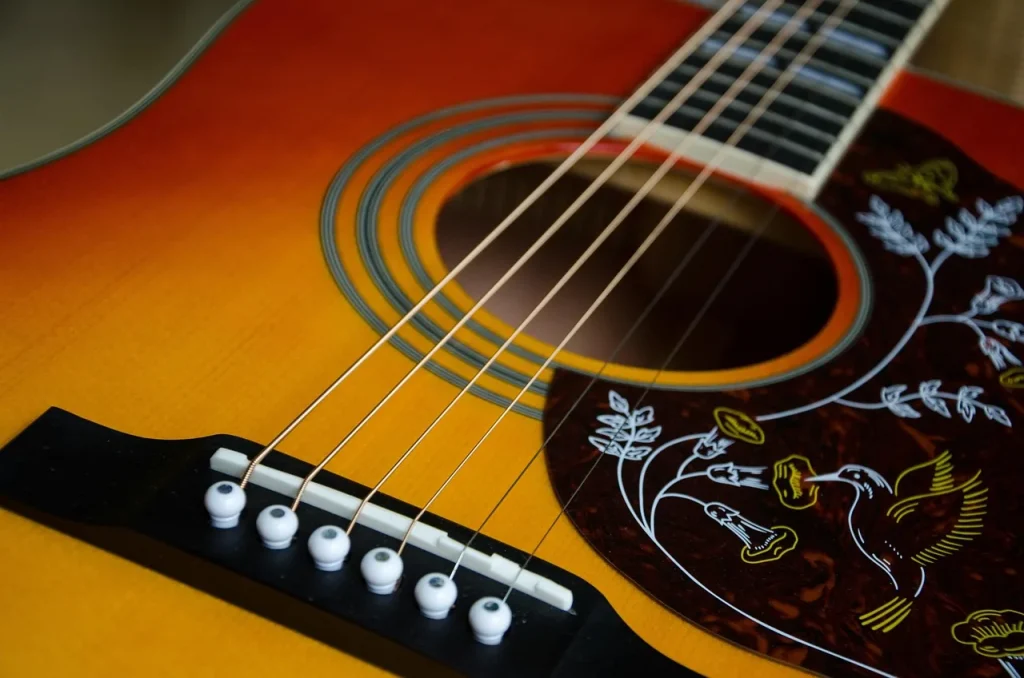
Caring for and repairing your acoustic guitar: a practical guide
Caring for and repairing an acoustic guitar is essential to keeping it in good condition and working properly. Whether you are a beginner or an experienced musician, looking after your instrument helps preserve its sound and appearance. In this practical guide, we explain how to care for and repair your acoustic guitar so that it lasts longer and continues to sound its best.
Precautions to take when caring for your acoustic guitar
When caring for your acoustic guitar, take precautions against humidity, heat, and unsuitable cleaning products. A steel-string acoustic guitar is made primarily of wood, which makes it sensitive to changes in humidity and temperature. To prevent damage, never place your guitar near a direct heat source, such as a radiator or a sunlit window.
Humidity also matters. Too much or too little moisture can cause the wood to swell or shrink, affecting the guitar’s playability. To maintain a suitable humidity level, use a room humidifier or keep your guitar in a case with a humidifier. A relative humidity of at least 40% is generally recommended for acoustic guitars.
Use suitable products to clean your acoustic guitar. Avoid abrasive cleaners that could damage its finish. Silicone-based products are also best avoided because they can leave unwanted residue. Use a soft, dry cloth to remove dust and fingerprints from the body and neck. Products designed specifically for metal parts, such as strings and tuning machines, are also available.
| Tips for caring for your acoustic guitar: | Ways to prevent problems: |
|---|---|
| Clean your guitar regularly with a soft, dry cloth. | Keep your guitar away from direct heat. |
| Use cleaning products designed for acoustic guitars. | Maintain a relative humidity of at least 40%. |
| Change your guitar strings regularly for a better sound. | Avoid silicone-based products. |
Following these simple precautions will help your acoustic guitar last longer and preserve its sound. Consult a professional if you encounter a more serious problem or need further advice. Looking after your guitar will help you get the most from playing it.
The most important precaution: monitor humidity
Humidity is one of the most important factors in acoustic guitar care. Excess moisture can make the wood swell and glued joints come apart, while insufficient moisture can cause the wood to shrink and crack. Keep your guitar in an environment with a suitable humidity level.
You can measure relative humidity with a hygrometer. If it falls below 40%, use a humidifier to raise it. If it rises above 60%, use a dehumidifier to lower it.
These simple precautions can help prevent humidity-related problems and extend the life of your acoustic guitar. Consult a professional if you are unsure what to do or encounter a more serious problem. With proper care, your guitar can continue to sound its best.
Conclusion
Taking these precautions and caring for your acoustic guitar will help it last longer and preserve its sound. Clean it regularly, change its strings, store it properly, and tune it often to get the best possible sound.
If you are unsure about maintenance or repairs, consult a guitar professional. Looking after your acoustic guitar will help you continue to enjoy playing it.

Tips for changing your acoustic guitar strings
Changing your acoustic guitar strings regularly helps preserve its sound and playability. Acoustic guitar strings are under constant tension, and wear can change the instrument’s sound. Old or damaged strings lose their brightness and may go out of tune frequently. Here are some tips for changing them.
- Choose the right strings: Strings come in different brands and materials. Phosphor bronze strings are commonly used on acoustic guitars for their warm, balanced sound. Choose strings that suit your playing style and tonal preferences.
- Change the strings one at a time: Instead of removing them all at once, change each string individually. This helps keep tension on the neck more consistent. Start by unwinding the string from its tuning post, then remove it from the bridge and fit the new string, winding it onto the post in the appropriate direction.
- Bring the strings up to tension gradually: After changing the strings, tune your guitar. Increase their tension gradually to avoid breaking them. Tune each string to the correct pitch, then repeat until all the strings hold their tuning.
- Stretch the strings: Once your guitar is tuned, gently pull each string away from the fretboard to help it settle and stay in tune longer. Repeat until the strings no longer slip out of tune.
Changing your acoustic guitar strings regularly will improve its sound and your playing experience. New strings feel more responsive and can be easier to play. Take time to clean your guitar and make any necessary adjustments to keep it in good condition. With proper care, your acoustic guitar can provide years of musical enjoyment.
Table: comparing string materials
| Material | Sound | Durability | Price |
|---|---|---|---|
| Phosphor steel | Warm and balanced | Long-lasting | $$ |
| Phosphor bronze | Bright and clear | Long-lasting | $$ |
| Nickel | Warm and vintage | Less durable | $ |
| Nylon | Soft and warm | Less durable | $ |
Why tuning your acoustic guitar matters
Tuning your acoustic guitar is essential for a harmonious sound when you play. An out-of-tune guitar produces wrong notes and an unpleasant sound, which can affect both your enjoyment and the experience of your listeners. Make time to tune your instrument.
There are several ways to tune an acoustic guitar. One common method is to use an electronic tuner, which detects each string’s pitch and shows whether it is in tune. Attach the tuner to the headstock, play each open string, and adjust its tension until the tuner shows the correct note.
Another popular option is a clip-on tuner. It attaches directly to the headstock and detects the strings’ pitches. Clip-on tuners are compact and easy to carry, making them convenient when you are on the move.

Tune your guitar before each playing session. Strings can gradually drift out of tune as you play because the material stretches. New strings may go out of tune more readily at first. Make a habit of checking your guitar’s tuning and adjusting the strings when needed.
Common acoustic guitar repairs
You can handle some common acoustic guitar repairs yourself, but major problems are best left to a professional. As a musician, it helps to know which routine tasks you can perform to keep your guitar in good condition.
Replacing strings is one task you can do yourself. Guitar strings wear over time and need regular replacement to maintain a good sound. Online tutorials can guide you through the process. Choose quality strings suited to your playing style and acoustic guitar.
Neck adjustments, including truss rod adjustments, are another common concern. If your guitar’s neck is too bowed or too straight, adjusting the truss rod may correct it. Take care, however: an incorrect adjustment can damage your guitar. If you are unsure what to do, seek professional help.
Problems with control knobs, tuning machines, or guitar electronics may also require repair. If these parts malfunction, you may be able to adjust screws, replace faulty parts, or clean contacts. If you are uncomfortable doing so, leave the work to a qualified professional to avoid making the problem worse.
You can perform some routine repairs on your acoustic guitar, but knowing when to seek professional help is important. Regular maintenance and prompt attention to problems will help keep your instrument playable and sounding its best.
Table of common acoustic guitar repairs
| Repair | Description |
|---|---|
| String replacement | Change the guitar strings regularly to maintain good sound and playability. |
| Truss rod adjustment | Adjust the guitar neck to correct excessive bow or backbow. |
| Component repair | Repair malfunctioning control knobs, tuning machines, or guitar electronics. |
Professional advice:
If you are unsure of your guitar repair skills, consult a professional to avoid damaging your instrument.
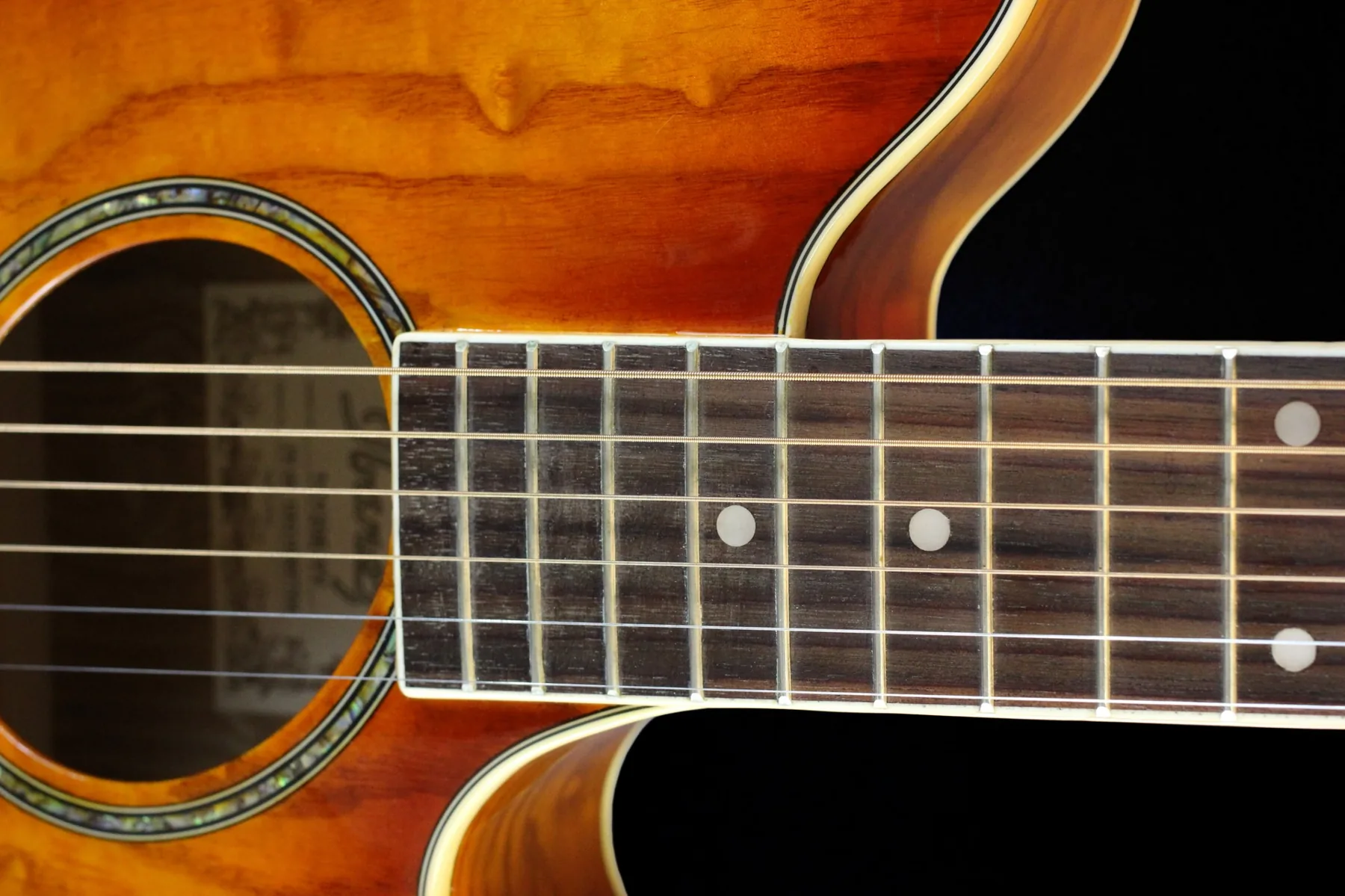
Cleaning your acoustic guitar regularly helps preserve its appearance, longevity, and sound. Looking after your instrument will help it last longer and perform well whenever you play. Here are some key steps for cleaning it properly.
Cleaning the fretboard and guitar body
Dirt, dust, and fingerprints can build up on your acoustic guitar’s fretboard. Use fine steel wool or a soft toothbrush to gently remove stubborn grime. If your guitar has a maple fretboard, a dry or slightly damp microfiber cloth is enough for gentle cleaning. Use a soft cloth to remove fingerprints and dust from the body. Choose products suited to your guitar’s finish, and avoid abrasives that could damage it.
Changing strings regularly
Acoustic guitar strings naturally wear over time and can lose their brightness and tone. Change them regularly to maintain the best possible sound. Use string cutters to remove the old strings, and install the new ones according to the manufacturer’s instructions. Choose strings suited to your playing style and type of guitar. When changing strings, take the opportunity to clean metal parts such as the bridge pins and nut to remove any buildup.

Proper storage helps protect your acoustic guitar from damage. Use a good case to shield it from knocks, dust, and humidity. Avoid exposing it to changes in temperature and humidity. When you are not playing, store it in a dry place with stable conditions.
Following these basic care tips will help keep your acoustic guitar in excellent condition and sounding good for years. Consult a professional if you encounter a major problem or need a complex repair.
Cleaning techniques for different parts of your acoustic guitar
Different parts of your acoustic guitar need different cleaning methods to keep them in good condition and prevent damage. Some require special care to preserve their appearance and durability.
Cleaning the fretboard
Whether it is made of rosewood, ebony, or Pau Ferro, your acoustic guitar’s fretboard needs regular cleaning to remove stubborn grime and accumulated dust. You can use fine steel wool or a soft toothbrush to clean its surface gently. Rub with the grain of the wood to avoid damaging the fretboard. Afterwards, wipe it with a soft, dry cloth to remove any residue.
Cleaning the guitar body
The guitar body also needs regular care to preserve its finish and appearance. If it has a gloss finish, use a product designed for that finish to clean it and remove marks. Avoid abrasive products that could damage it. For matte or satin finishes, a soft, dry cloth is enough to remove dust and fingerprints.
Conditioning a rosewood, ebony, or Pau Ferro fretboard
To help prevent wear and cracking, condition a rosewood, ebony, or Pau Ferro fretboard when needed. Use a product made for this purpose and follow the manufacturer’s instructions. Apply it gently with a soft cloth, taking care to keep it off the strings. This will help maintain the fretboard and extend its life.
| Component | Cleaning method |
|---|---|
| Rosewood, ebony, or Pau Ferro fretboard | Use fine steel wool or a soft toothbrush to remove stubborn grime. Wipe with a soft, dry cloth. |
| Maple fretboard | Use a dry or slightly damp microfiber cloth to remove dust and fingerprints. |
| Guitar body (gloss finish) | Use a product designed for gloss finishes. Avoid abrasive products. |
| Guitar body (matte or satin finish) | Use a soft, dry cloth to remove dust and fingerprints. |
| Rosewood, ebony, or Pau Ferro fretboard | Condition it when needed with a suitable product, following the manufacturer’s instructions. |
Conclusion
By following the tips and techniques in this practical guide, you can care for and repair your acoustic guitar effectively, helping preserve its sound and extend its life.
A steel-string acoustic guitar is a delicate instrument that needs regular care. Keeping it away from heat sources and maintaining suitable humidity will protect its wood from damage caused by changes in its surroundings.
Suitable cleaning products are also essential for preserving your instrument’s finish. Avoid silicone-based products, which can leave residue. Use a soft, dry cloth to clean the outside surfaces of your acoustic guitar.
Changing strings regularly is another important part of guitar care. It improves the instrument’s sound and reduces the risk of a string breaking. Wash your hands before playing to help your strings last longer.
Tuning your acoustic guitar is essential for getting the best possible sound. Use a clip-on tuner to tune each string accurately. If the nut is worn, pencil graphite may provide a temporary remedy, but a professional repair is preferable.
Finally, regular cleaning helps preserve your acoustic guitar’s appearance and performance. Clean a rosewood, ebony, or Pau Ferro fretboard with fine steel wool or a soft toothbrush to remove stubborn grime. Use products suited to your guitar’s finish to clean the body, and avoid abrasive products on matte or satin finishes.
These simple steps will help you care for and repair your acoustic guitar. Remember that more substantial repairs should be left to a qualified professional. Look after your instrument and enjoy its sound for years to come!
FAQ
What precautions should I take when caring for my acoustic guitar?
Keep your guitar away from heat sources and maintain a relative humidity of at least 40%. Avoid abrasive and silicone-based cleaning products.
How can I change my acoustic guitar strings?
Replace the strings regularly, following the manufacturer’s instructions. Wash your hands before playing, and use a clip-on tuner to keep your guitar in tune.
Why is tuning my acoustic guitar important?
Tuning is essential for a good sound. A clip-on tuner can help you tune your instrument accurately.
What common acoustic guitar repairs can I do myself?
You can handle some minor problems yourself, such as using pencil graphite as a temporary remedy for a worn nut. Consult a professional about more serious problems.
How can I clean my acoustic guitar?
Use a soft, dry cloth on the outside surfaces. For a rosewood, ebony, or Pau Ferro fretboard, use fine steel wool or a soft toothbrush. Clean the guitar body with products suited to its finish.
What cleaning methods should I use for different parts of my acoustic guitar?
Use a dry or slightly damp microfiber cloth to clean a maple fretboard. Clean and condition a rosewood, ebony, or Pau Ferro fretboard when needed to help prevent wear and cracking.