

Different woods play an essential role in making acoustic guitars, influencing both the sound and the quality of the instrument. Each wood has its own characteristics that contribute to the guitar’s tone and appearance. Commonly used woods include rosewood, spruce, mahogany, cedar, maple, koa, rosewood, sapele and ebony.
Rosewood, for example, is known for its rich color and warm tone. It is often used for acoustic guitar fingerboards and bridges, providing excellent sound projection and a balanced tone.
Spruce, meanwhile, is often chosen for the soundboard because it is lightweight and resonant. It produces a clear, bright sound with excellent projection.
Mahogany is a popular wood for the guitar body. It offers a warm, rich sound and good resonance. It is also valued for its durability and stability.
Cedar is known for producing a warm, balanced sound with a dynamic response. It is often used for soundboards and is particularly popular in classical guitars.
Other woods used to make acoustic guitars include maple, koa, rosewood, sapele and ebony. Each has its own tonal characteristics and is used for different parts of the guitar. Maple offers a bright sound and an attractive appearance, while koa offers a warm tone and strong projection. Rosewood is known for its rich, deep tone, while sapele offers a balanced sound. Ebony is often used for fingerboards because of its hardness and luxurious appearance.
In conclusion, the choice of wood is crucial when making an acoustic guitar. Each wood contributes distinct tonal characteristics, allowing musicians to find the sound that best suits their preferences and playing style.
Rosewood
Rosewood is one of the most popular materials used to make acoustic guitars because of its warm tone and beautiful appearance. It is often used for fingerboards and bridges, but it can also be used to make the guitar body. Rosewood offers excellent sound projection and a balanced tone.
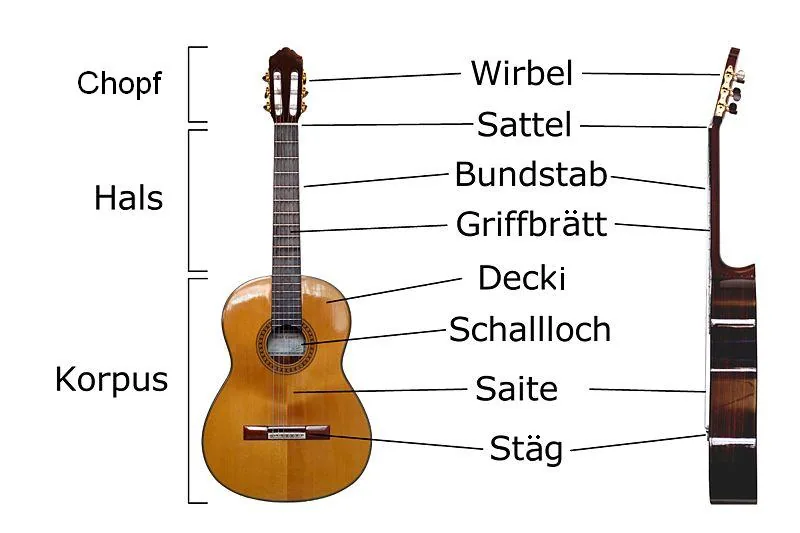
In addition to its tonal qualities, rosewood is valued for its strength and durability, making it a popular choice among professional guitarists. Its rich color and varied grain patterns also add to the instrument’s appearance.
Characteristics of rosewood:
- Warm, balanced tone
- Excellent sound projection
- Strength and durability
- Attractive appearance
Rosewood is therefore a favored choice for those seeking a warm, balanced sound from their acoustic guitar. Its use in high-quality instruments makes it popular with musicians around the world.
| Rosewood | Characteristics |
|---|---|
| Tone | Warm and balanced |
| Sound projection | Excellent |
| Strength and durability | High |
| Appearance | Attractive |
Spruce
Spruce is a popular wood for acoustic guitar soundboards because it is lightweight and produces a clear, bright sound. It is one of the most commonly used woods in guitar making thanks to its ability to resonate and produce a powerful sound. Spruce is valued for its balanced resonance and excellent sound projection, making it a popular choice for folk-style and classical guitars.
Spruce’s light weight and ability to vibrate freely allow the soundboard to produce a rich, vibrant sound. This contributes to the guitar’s projection and lets notes resonate clearly and powerfully. Spruce is also prized for its appearance: its fine grain and light color add to the instrument’s visual appeal.
Spruce is also used for other parts of the guitar, such as the neck and internal bracing, because of its strength and durability. However, it is most often used for the soundboard, where its exceptional tonal qualities can be put to use.

Other types of wood are also used to make acoustic guitars, each with its own characteristics and tonal qualities. Spruce is a favored choice for its light weight, clear and bright sound, and ability to resonate. Whether you are a professional musician seeking a powerful sound or an amateur drawn to the instrument’s appearance, spruce can provide the qualities needed for an exceptional musical experience.
| Advantages of spruce | Disadvantages of spruce |
|---|---|
|
|
Mahogany
Mahogany is commonly used to make acoustic guitars because of its warm, rich tone and durability. It is often used for guitar bodies, providing a warm sound and good resonance. It is known for its ability to produce deep bass and clear treble, creating a balanced, pleasing sound.
In addition to its tonal qualities, mahogany is valued for its stability and ease of working. It is relatively easy to carve and shape, making it an ideal material for guitar construction. Its durability also makes it a reliable choice for musicians who want to invest in a quality instrument that will stand the test of time.
The quality of mahogany can vary by grade. High-end guitars are generally made with solid mahogany, while lower-priced guitars may be made with laminated mahogany. It is therefore essential to consider the quality of the wood when buying an acoustic guitar.
Table: comparison of the tonal characteristics of woods used in acoustic guitars
| Wood | Sound |
|---|---|
| Spruce | Clear, bright sound; excellent projection |
| Mahogany | Warm, rich sound; good resonance |
| Rosewood | Rich, deep sound; strong projection |
| Maple | Bright sound; attractive appearance |
| Koa | Warm tone; strong projection |
| Ebony | Used for fingerboards; hard with a luxurious appearance |
In conclusion, mahogany is a versatile wood used to make acoustic guitars because of its tonal qualities, durability and ease of working. Whether you are a professional musician or a passionate amateur, mahogany is an excellent option for a warm, rich sound and a quality instrument.
Cedar
Cedar is valued in acoustic guitar making for its warm, balanced tone and dynamic response. It is commonly used for the soundboard, where its light weight and resonance make it a popular choice. Cedar produces a deep, gentle sound with great clarity and exceptional projection.
In addition to its tonal qualities, cedar is known for its natural beauty, with shades ranging from light red to dark brown. It often has interesting grain patterns that add to the guitar’s appearance.
Cedar is a favored choice for guitarists seeking a warm, rich sound, excellent response and good sound projection. It is a versatile wood suited to different playing styles and gives the instrument a distinctive appearance.
Choosing high-quality cedar is essential to ensure the guitar performs at its best. The quality of the wood can vary by grade. It is therefore advisable to consult a professional luthier for guidance on choosing the cedar best suited to your needs.
| Advantages of cedar | Disadvantages of cedar |
|---|---|
|
|
Other woods used
In addition to the woods already mentioned, maple, koa, rosewood, sapele and ebony are used to make acoustic guitars. Each has its own tonal characteristics.
Maple is often used for guitar necks because of its durability and stability. It produces a bright sound with good projection. Maple is also valued for its appearance and distinctive grain patterns.
Koa is a wood native to Hawaii that is used to make high-end guitars. It offers a warm tone with strong projection. Koa is also prized for its beauty, rich color and unique grain patterns.

Rosewood is a tropical wood known for its rich, deep tone. It is often used for the guitar’s sides and back. It offers excellent resonance and a balanced tone, making it a popular choice among professional guitarists.
Sapele is an African wood that resembles mahogany and produces a balanced sound, with deep bass and clear treble. It is used to make affordable guitars that offer good sound quality.
Ebony is a very dense, hard wood often used for guitar fingerboards. It is valued for its resistance to wear and its smooth feel. Ebony also produces a bright, clear sound.
Overall, the choice of wood in acoustic guitar making is crucial to achieving the desired sound. Each wood has distinct tonal characteristics, allowing guitarists to find the instrument that best suits their playing style and tonal preferences.
Conclusion
The choice of wood when making an acoustic guitar plays a crucial role in the instrument’s sound and quality. Each type of wood offers its own tonal characteristics.
The different materials used, including laminate, spruce, cedar, mahogany, rosewood, walnut, maple, koa, ebony and ovangkol, give the guitar a range of sounds. For example, spruce produces a clear, bright sound, while mahogany offers a warm, rich sound. Each wood has its own tonal qualities, allowing guitarists to choose the one that best suits their preferences and playing style.
The quality of wood can vary by grade, which can affect the price of the instrument. In addition, the use of certain woods is subject to restrictions related to environmental protection. Some woods may be regulated to prevent overharvesting or deforestation. Acoustic guitar makers must therefore consider these factors when choosing wood for their instruments.
Ultimately, the choice of wood depends on the player’s preferences and desired sound. Whether you are looking for a clear, bright sound, a warm, rich sound or something in between, there is a wood that can meet your expectations. Take time to explore the tonal characteristics of the available woods and find the one that best suits your playing style and aesthetic preferences.
FAQ
What are the different woods used to make acoustic guitars?
The different materials used to make acoustic guitars include laminate, spruce, cedar, mahogany, rosewood, walnut, maple, koa, ebony and ovangkol.
How do different woods affect a guitar’s sound?
Each wood has its own tonal characteristics, ranging from the clear, bright sound of spruce to the warm, rich sound of mahogany. The choice of wood can therefore have a significant influence on the guitar’s sound.
Are there restrictions on the use of certain woods in acoustic guitar making?
Yes, there are restrictions on the use of certain woods to protect the environment. Some woods are subject to strict regulations intended to prevent deforestation and overharvesting.
How should you choose the wood for your acoustic guitar?
The choice of wood depends on the player’s preferences and desired sound. Trying guitars made from different woods is recommended to find the sound that best suits your taste.