

Acoustic blues is a fascinating musical genre that originated in the southern United States in the 19th century. It grew out of the work songs of African Americans who faced racial segregation. Acoustic blues takes its name from the English expression “blue devils,” meaning “gloomy thoughts.” Early forms of blues were often passed down orally and accompanied by simple instruments.
Acoustic blues evolved over time, incorporating instruments such as acoustic guitar, piano and harmonica. Although its exact origins are uncertain, acoustic blues has had a major influence on many musical styles, including jazz, rhythm and blues and rock ‘n’ roll. Masters of the genre such as B.B. King, Robert Johnson and Muddy Waters made their mark on blues history through their talent and exceptional contributions.
The origins of acoustic blues
Acoustic blues has its roots in the work songs of African Americans, who developed this musical style to express their hardships and emotions in the face of racial segregation. Early forms of blues were often passed down orally and accompanied by simple instruments such as homemade guitars and harmonicas. This musical genre was rooted in the daily lives of African Americans who worked on cotton plantations and lived with the consequences of slavery and segregation.
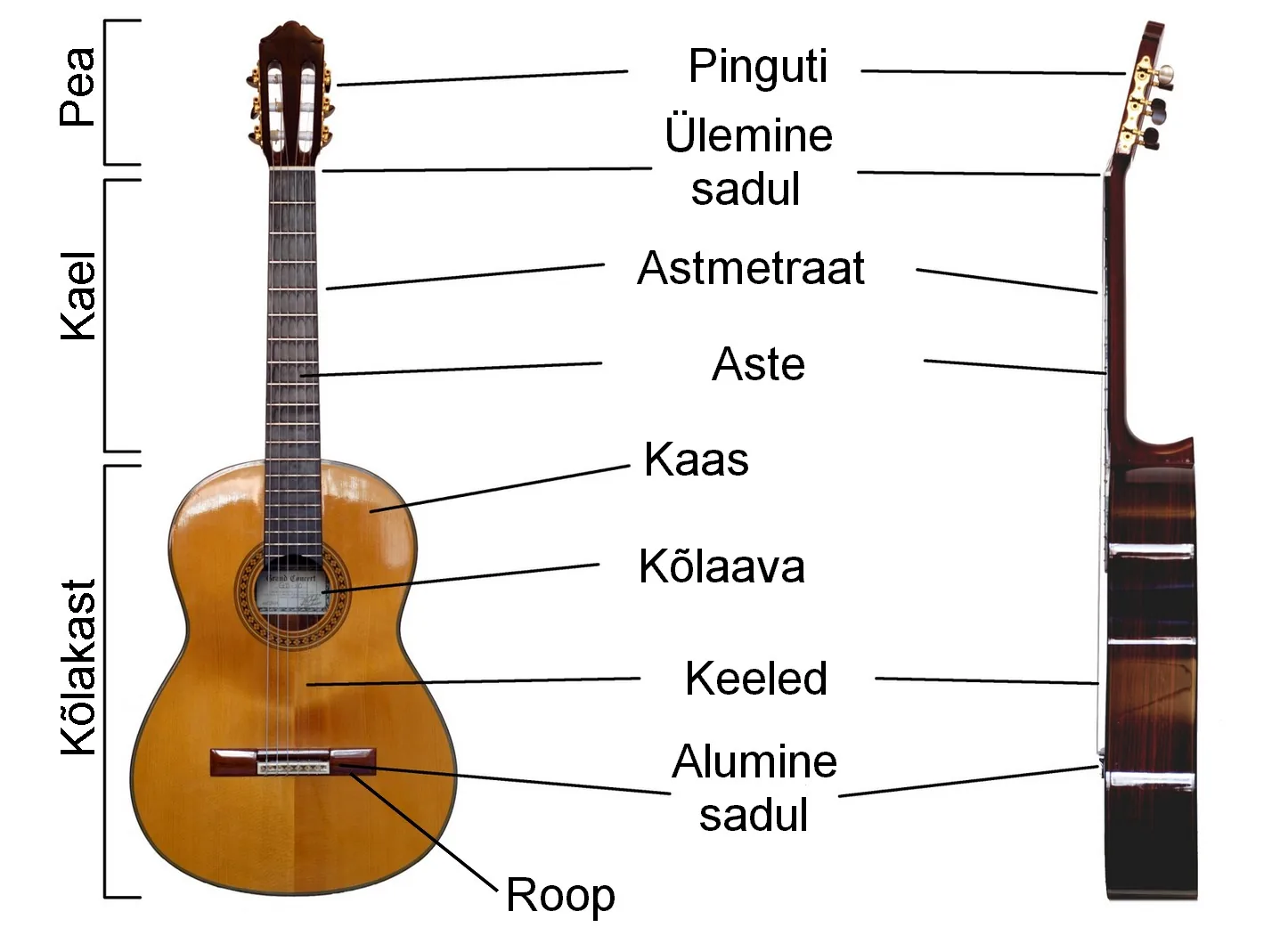
Acoustic blues evolved over time with the arrival of instruments such as the acoustic guitar and piano. Acoustic blues artists often used distinctive playing techniques, such as bottleneck or slide guitar, in which a glass or metal object is moved along the guitar strings to create characteristic sounds.
| Artist | Influence |
|---|---|
| B.B. King | His distinctive guitar playing and expressive voice influenced many blues and rock artists. |
| Robert Johnson | His influential guitar playing and evocative lyrics inspired many musicians. |
| Muddy Waters | His powerful singing and innovative guitar playing helped popularize acoustic blues. |
Acoustic blues paved the way for many other musical genres, including jazz, rhythm and blues and rock ‘n’ roll. Its legacy can be heard in their melodies and rhythms, as well as in the emotion and authenticity they convey. Today, acoustic blues continues to be played and enjoyed by musicians and music lovers around the world, a testament to its lasting influence on music.

In short, acoustic blues is a musical genre born from the creative expression of African Americans in the face of oppression and discrimination. Its modest beginnings gave rise to a powerful and influential art form that shaped music history. Masters of the genre, such as B.B. King, Robert Johnson and Muddy Waters, helped popularize acoustic blues and inspired many artists who followed. Today, acoustic blues continues to be played and appreciated for its emotional depth and cultural heritage.
Masters of the genre
Several artists played key roles in the development of acoustic blues and left an indelible mark on the genre’s history. Among them are legends such as B.B. King, Robert Johnson and Muddy Waters. Their contributions to modern acoustic blues are invaluable, and they continue to inspire artists today.
B.B. King, nicknamed the “King of the Blues,” is known for his emotionally rich guitar playing and passionate singing. His captivating performances and innovative technique influenced many musicians and helped bring acoustic blues to a wide audience.
Robert Johnson is regarded as one of the greatest blues guitarists of all time. His virtuosity and distinctive style left a lasting mark on the genre. Despite his short career, Johnson left a powerful musical legacy and inspired many musicians who came after him.
Muddy Waters, also known as the “father of modern blues,” played a major role in transforming acoustic blues into a more electric sound, foreshadowing the development of rock ‘n’ roll. His timeless compositions and powerful voice made him an undisputed blues icon.
| Artist’s name | Description |
|---|---|
| B.B. King | Nicknamed the “King of the Blues,” he is known for his passionate guitar playing and singing. |
| Robert Johnson | Regarded as one of the greatest blues guitarists of all time, he left a powerful musical legacy. |
| Muddy Waters | Known as the “father of modern blues,” he transformed acoustic blues into a more electric sound. |
“Acoustic blues is a powerful testament to the history of African Americans and their struggle for justice and equality. The masters of the genre conveyed their emotions through their voices and instruments, creating timeless music that still resonates today.” — Anonymous quotation
A powerful musical legacy
The masters of the genre left a powerful musical legacy that has influenced many artists and continues to inspire contemporary music. Their distinctive styles and exceptional talent helped establish acoustic blues as an essential genre. Even today, many musicians pay tribute to these legends by covering their songs and carrying on the acoustic blues tradition.

Acoustic blues has evolved over the decades, adapting to the cultural influences and musical changes of each era. Initially, acoustic blues was often played on simple instruments such as acoustic guitar, piano and harmonica. With the arrival of new technologies and changing musical tastes, however, new instruments entered the genre.
One major development in acoustic blues was the introduction of the electric guitar in the 1930s. This innovation allowed musicians to create more powerful sounds and explore new playing techniques. Artists such as B.B. King helped popularize the electric guitar in the blues, pushing the genre’s boundaries.
Contemporary acoustic blues has also incorporated elements of other musical genres, such as jazz and rock. Artists such as Eric Clapton blended acoustic blues with rock ‘n’ roll, creating a distinctive and influential sound. This evolution continues today as contemporary artists explore new sounds and push the boundaries of the genre.
The influence of acoustic blues on today’s music
The legacy of acoustic blues remains deeply rooted in contemporary music. Its compelling rhythms and timeless melodies continue to inspire many of today’s artists. Acoustic blues also helped lay the foundations for genres such as jazz, rhythm and blues and rock ‘n’ roll, which in turn influenced generations of musicians.
| Genre | Influences of acoustic blues |
|---|---|
| Jazz | Jazz has roots in acoustic blues and draws on some of its sounds and improvisational practices. |
| Rhythm and blues | Rhythm and blues is directly influenced by acoustic blues, adding elements of groove and soul. |
| Rock ‘n’ roll | Rock ‘n’ roll draws energy and passion from acoustic blues, adding electric sound and a rebellious attitude. |
In conclusion, acoustic blues has evolved by adapting to the influences and musical developments of each era. Its legacy endures today: it influences many musical genres and inspires contemporary musicians. Acoustic blues is a compelling genre that continues to captivate listeners with its sincerity and expressiveness.
Acoustic blues has had a major influence on many musical genres, including jazz, rhythm and blues and rock ‘n’ roll, helping shape today’s musical landscape. Emerging from the work songs of African Americans, acoustic blues laid the groundwork for iconic musical styles.
Acoustic blues played an important role in the development of jazz, influencing its harmonic structure and emotional expression. Celebrated jazz artists such as Louis Armstrong and Miles Davis incorporated elements of acoustic blues into their compositions, creating a strong connection between the genres.
Rhythm and blues, an influential genre of the 1940s and 1950s, was also strongly shaped by acoustic blues. Rhythm and blues singers such as Ray Charles and Sam Cooke drew on the vocal techniques and lyrical themes of acoustic blues to create a distinctive musical style and emphasize the importance of the voice in music.
Finally, rock ‘n’ roll, a genre that revolutionized music in the 1950s, owes much to the influence of acoustic blues. Legendary artists such as Chuck Berry and Elvis Presley brought characteristic blues rhythms and attitudes into their songs, creating the distinctive sound of rock ‘n’ roll.

In summary, acoustic blues left an indelible mark on music history by influencing many genres, including jazz, rhythm and blues and rock ‘n’ roll. Its distinctive musical qualities, profound themes and emotional expression paved the way for new forms of musical expression and continue to fuel the creativity of contemporary artists.
Conclusion
Acoustic blues remains a fascinating musical genre whose origins and masters continue to captivate listeners. Originating in the United States, this style emerged in the South in the 19th century, influenced by the work songs of African Americans who faced racial segregation. Early forms of blues were often passed down orally and accompanied by simple instruments such as acoustic guitar, piano and harmonica.
Over time, acoustic blues evolved and influenced many other musical genres, including jazz, rhythm and blues and rock ‘n’ roll. Masters of the genre, such as B.B. King, Robert Johnson and Muddy Waters, shaped the history of acoustic blues and helped bring it to a wider audience.
Today, contemporary acoustic blues continues to inspire many artists and play an important role in modern music. Its timeless sound and compelling history make it a genre in its own right, enjoyed by listeners around the world. Acoustic blues is a musical legacy that continues to resonate with and influence present and future generations.
FAQ
What is acoustic blues?
Acoustic blues is a musical genre that originated in the southern United States in the 19th century. It grew out of the work songs of African Americans who faced racial segregation.
Where does the term “blues” come from?
The term “blues” comes from the English expression “blue devils,” meaning “gloomy thoughts.”
What instruments are used in acoustic blues?
Acoustic blues uses instruments such as acoustic guitar, piano and harmonica.
What are the exact origins of the blues?
The exact origins of the blues are uncertain, but it has had a major influence on musical styles such as jazz, rhythm and blues and rock ‘n’ roll.
Who are some masters of acoustic blues?
Masters of acoustic blues such as B.B. King, Robert Johnson and Muddy Waters have shaped its history.