

The role of the acoustic guitar in folk music is undeniable. With its distinctive sound and ability to accompany traditional songs, the acoustic guitar plays a central role in this genre. Its soundbox amplifies the vibrations of the strings and produces a louder sound that is ideal for folk music. Unlike a classical guitar, it has steel strings that produce a bright, crisp tone. The acoustic guitar is often used to create the nostalgic melodies associated with folk music. Here is an image of this essential instrument in the world of folk music.
Over the years, the acoustic guitar has evolved into an emblematic instrument of folk music. Influential guitarists have developed new playing techniques and distinctive musical styles. Initially, the acoustic guitar was used to accompany folk and traditional songs. Its soundbox amplified the vibrations of the strings, producing a louder sound and providing a solid rhythmic foundation.
As folk music evolved, however, guitarists began exploring new sounds and techniques on the acoustic guitar. Artists such as Bob Dylan, Joan Baez and Joni Mitchell pushed the instrument’s boundaries by introducing innovative approaches, including fingerpicking and alternate tunings. These techniques opened up new sounds and complex melodic patterns, giving folk music a new dimension.
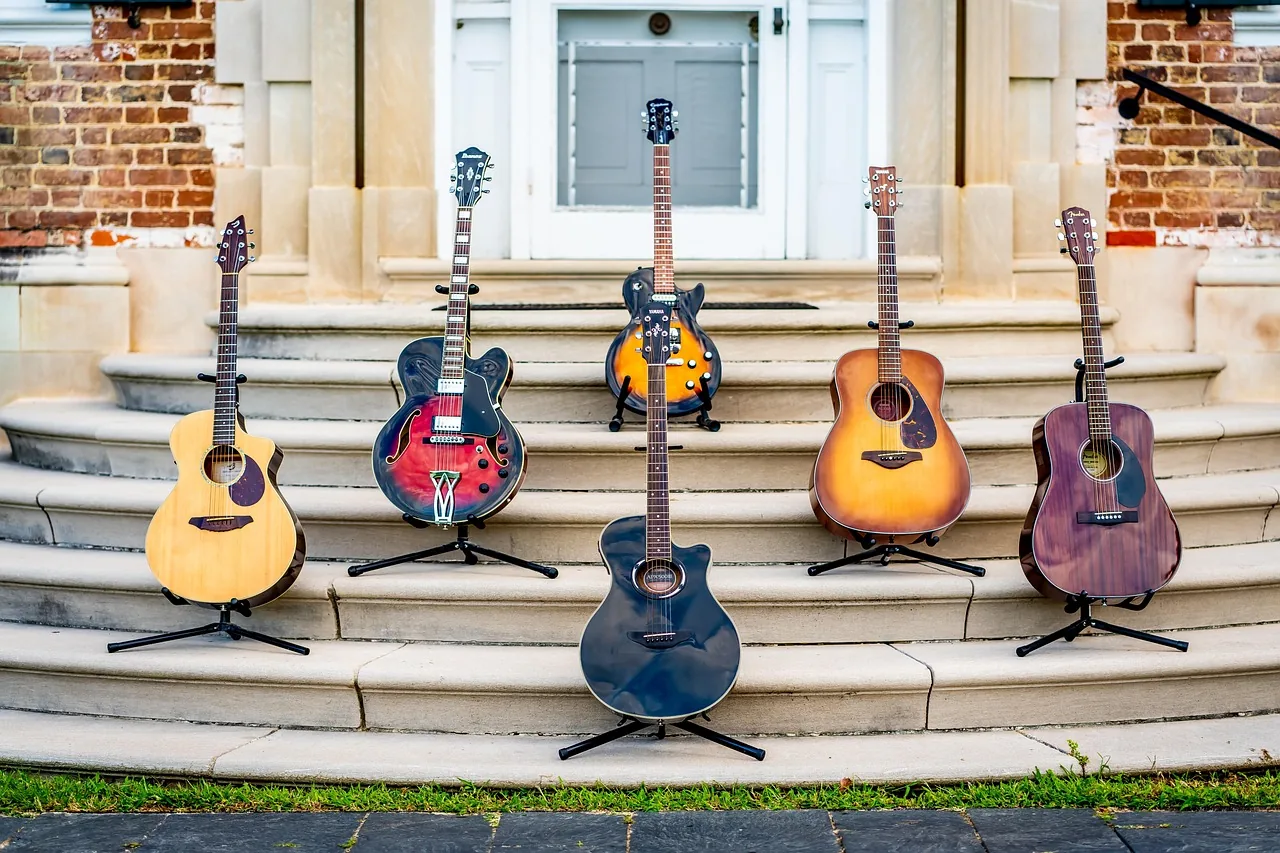
Alongside new playing techniques, the acoustic guitar has also evolved in shape and construction. Guitar makers have experimented with different sizes and shapes to improve the instrument’s durability and sound quality. Dreadnought and jumbo body shapes became popular. Their powerful projection and deep bass are well suited to the emotional expression of folk music.
| Evolution of the acoustic guitar in folk music | Characteristics |
|---|---|
| Classical guitar | Nylon strings; soft, warm sound; suitable for beginners |
| Acoustic guitar | Steel strings; brighter, crisper sound; well suited to folk music |
| Acoustic-electric guitar | An acoustic guitar that can be amplified; suitable for live performances |
| Folk guitar | Dreadnought and jumbo body shapes; powerful projection and deep bass |
In conclusion, the evolution of the acoustic guitar in folk music has helped bring about new styles and playing techniques. This versatile instrument has adapted to the needs of folk guitarists, offering a rich and varied range of sounds. Whether accompanying traditional songs or exploring new musical directions, the acoustic guitar remains a cornerstone of folk music, stirring the soul and telling stories through its melodic chords.
The different acoustic guitar shapes used in folk music
Acoustic guitars come in different shapes, including dreadnought and jumbo. Each offers a distinct sound suited to various styles of folk music.
The dreadnought has a broad body with rounded shoulders, giving it a deep, rich resonance. It is the acoustic guitar shape most commonly used in folk music. It produces strong bass and clear treble, making it a popular choice among folk guitarists.
The jumbo is larger than the dreadnought and offers a fuller, more balanced tone. It is ideal for styles of folk music that call for greater projection, such as bluegrass and country. Its larger body also responds well to vigorous playing.
| Acoustic guitar shape | Sound | Suitable folk music styles |
|---|---|---|
| Dreadnought | Deep, rich resonance; strong bass; clear treble | Traditional folk music, country music |
| Jumbo | Full, balanced tone | Bluegrass, country |
Whether you prefer a dreadnought or a jumbo, the acoustic guitar is a versatile choice for folk musicians. Its warm tone and ability to project a powerful sound make it an essential instrument for creating folk music’s captivating melodies.

The acoustic guitar also has a soundbox that amplifies the vibrations of its strings to produce a louder sound. Unlike a classical guitar, which has nylon strings, it has steel strings that produce a different tone. The folk guitar’s sound is brighter and crisper, making it especially well suited to folk music. It is often used to accompany folk and traditional songs.
Acoustic guitar playing techniques in folk music
Acoustic guitar playing techniques, such as fingerpicking and strumming, are essential to creating the melodic patterns associated with folk music. They allow musicians to produce the distinctive rhythms and sounds that characterize the genre.
Fingerpicking means playing the guitar strings with the fingers rather than a pick. This technique lets musicians play bass lines, chords and melodic patterns at the same time, creating a rich, complex texture. Fingerpicking is commonly used in blues, country and, of course, folk music.
Strumming means playing across the guitar strings with a pick or the fingers in repeated up-and-down strokes. It allows musicians to produce strong, rhythmic chords that give folk music its energy and texture. Strumming is often used to accompany folk songs and create catchy, driving rhythms.
By combining these approaches with other techniques, such as arpeggios and hammer-ons, folk guitarists can create distinctive, engaging arrangements. These techniques make the acoustic guitar a versatile way to express emotions and tell the stories at the heart of folk music.

| Technique | Description |
|---|---|
| Fingerpicking | Playing the guitar strings with the fingers to sound bass lines, chords and melodic patterns at the same time. |
| Strumming | Playing across the guitar strings with a pick or the fingers in up-and-down strokes to produce strong, rhythmic chords. |
| Arpeggios | Playing the notes of a chord one after another to create a layered, harmonious sound. |
| Hammer-ons | Sounding a second note by firmly pressing a finger onto the string at a higher fret, creating a smooth, expressive transition. |
The importance of the acoustic guitar in folk music
The acoustic guitar is considered one of the best instruments for folk music because its bright, crisp sound helps create the genre’s characteristic atmosphere. Its essential role in folk music is undeniable: it brings richness and emotional depth to the nostalgic melodies associated with this style.
The acoustic guitar has a soundbox that amplifies the vibrations of its strings, allowing it to project a stronger sound than a classical guitar. Its steel strings produce a distinctive, brighter and crisper tone that pairs well with folk music’s intimate, authentic character.
| Differences between the acoustic guitar and the classical guitar |
|---|
| The acoustic guitar has steel strings, while the classical guitar has nylon strings. |
| The acoustic guitar generally has a larger soundbox, giving it a more powerful sound. |
| An acoustic guitar can be fitted with a pickup and connected to an amplifier, offering more sonic possibilities. |
The acoustic guitar is often used to accompany folk and traditional songs, adding warmth and an earthy quality to performances. It is also highly versatile and suits different styles of folk music, including bluegrass, country and contemporary folk.
In conclusion, the acoustic guitar plays a central role in folk music through its distinctive sound and its ability to create the genre’s characteristic atmosphere. Whether accompanying traditional songs or expressing deep emotions, it is a favorite instrument of folk musicians and offers an intimate connection to the essence of the style.
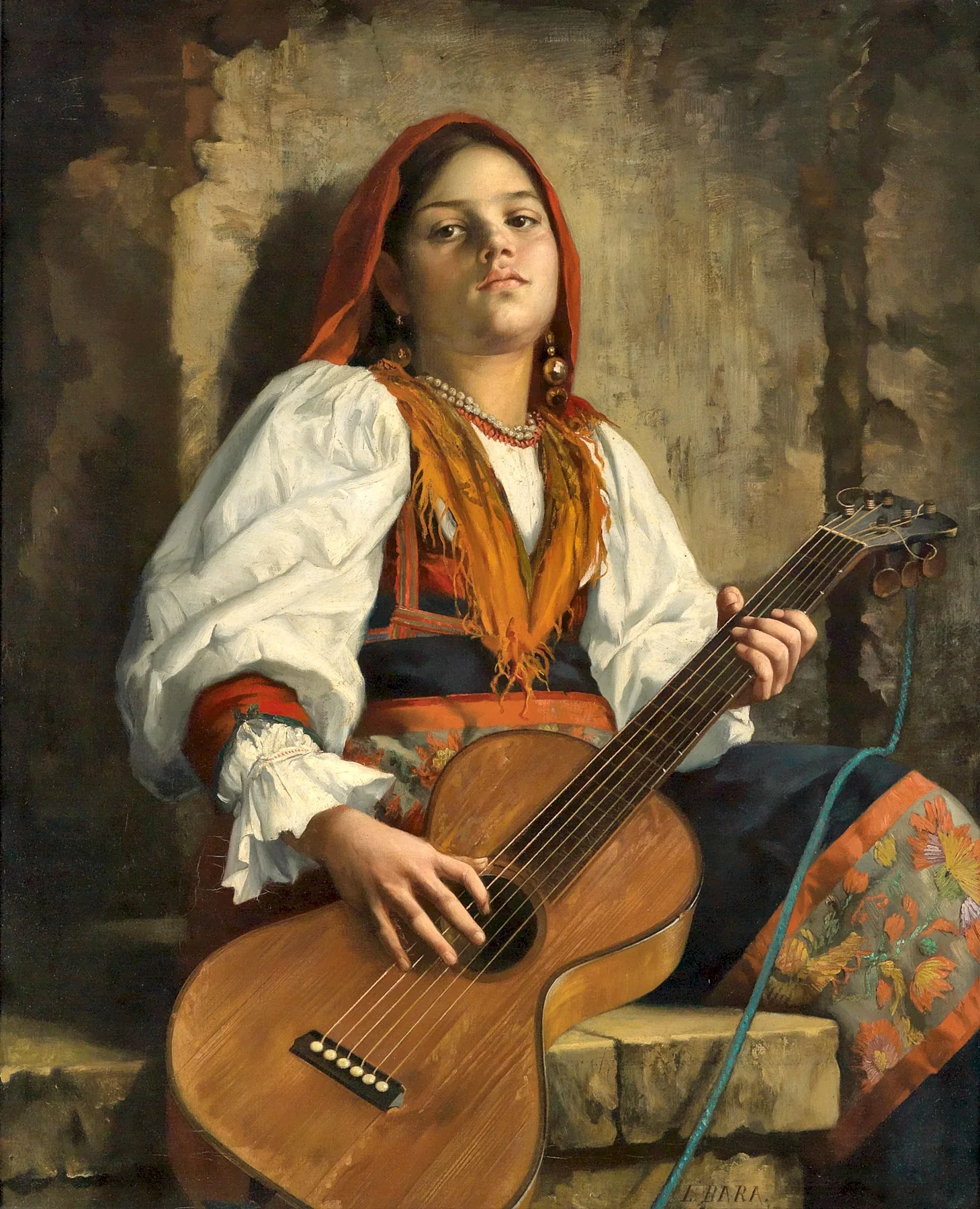
The acoustic guitar is considered one of the best instruments for folk music because its bright, crisp sound helps create the genre’s characteristic atmosphere. Its essential role in folk music is undeniable: it brings richness and emotional depth to the nostalgic melodies associated with this style.
The acoustic guitar has a soundbox that amplifies the vibrations of its strings, allowing it to project a stronger sound than a classical guitar. Its steel strings produce a distinctive, brighter and crisper tone that pairs well with folk music’s intimate, authentic character.
Differences between the acoustic guitar and the classical guitar:
– The acoustic guitar has steel strings, while the classical guitar has nylon strings.
– The acoustic guitar generally has a larger soundbox, giving it a more powerful sound.
– An acoustic guitar can be fitted with a pickup and connected to an amplifier, offering more sonic possibilities.
The acoustic guitar is often used to accompany folk and traditional songs, adding warmth and an earthy quality to performances. It is also highly versatile and suits different styles of folk music, including bluegrass, country and contemporary folk.
In conclusion, the acoustic guitar plays a central role in folk music through its distinctive sound and its ability to create the genre’s characteristic atmosphere. Whether accompanying traditional songs or expressing deep emotions, it is a favorite instrument of folk musicians and offers an intimate connection to the essence of the style.
The acoustic guitar plays an essential role in folk music, creating the nostalgic, authentic melodies that define a genre enjoyed by people around the world.
Its soundbox amplifies the vibrations of the strings, producing a louder, distinctive sound. Its steel strings give it a bright, crisp tone that suits folk music. It often accompanies folk and traditional songs, adding warmth and intimacy to performances.
With different body shapes, such as dreadnought and jumbo, the acoustic guitar also offers choices to suit musicians’ styles and preferences. Its role in folk music extends beyond its distinctive sound: it has become a symbol of artistic expression and folk culture.
For amateur guitarists and professional musicians alike, the acoustic guitar is an essential choice for capturing the spirit of folk music. Its importance to the genre lies in its ability to evoke powerful emotions and create memorable melodies that are passed down from generation to generation.
FAQ
What role does the acoustic guitar play in folk music?
The acoustic guitar plays an essential role in folk music: its soundbox amplifies the vibrations of the strings to produce a louder sound, while its steel strings create a bright, crisp tone that suits the genre.
What is the difference between an acoustic guitar and a classical guitar?
The main difference is the strings. An acoustic guitar has steel strings, while a classical guitar has nylon strings. Steel strings give the acoustic guitar a brighter, crisper tone that is ideal for folk music.
Which acoustic guitar shapes are used in folk music?
The most popular acoustic guitar shapes in folk music are dreadnought and jumbo. Each has sound characteristics suited to different folk styles.
Can an acoustic guitar be amplified?
Yes. An acoustic guitar can be fitted with a pickup and connected to an amplifier. This amplifies the sound of the acoustic guitar for performances on stage or in the studio.
At what age is it recommended to start playing acoustic guitar?
The acoustic guitar is recommended for teenagers and adults who want to play pop or rock music. For children aged 6 to 10, a classical guitar may be a better starting point because its nylon strings are softer.