
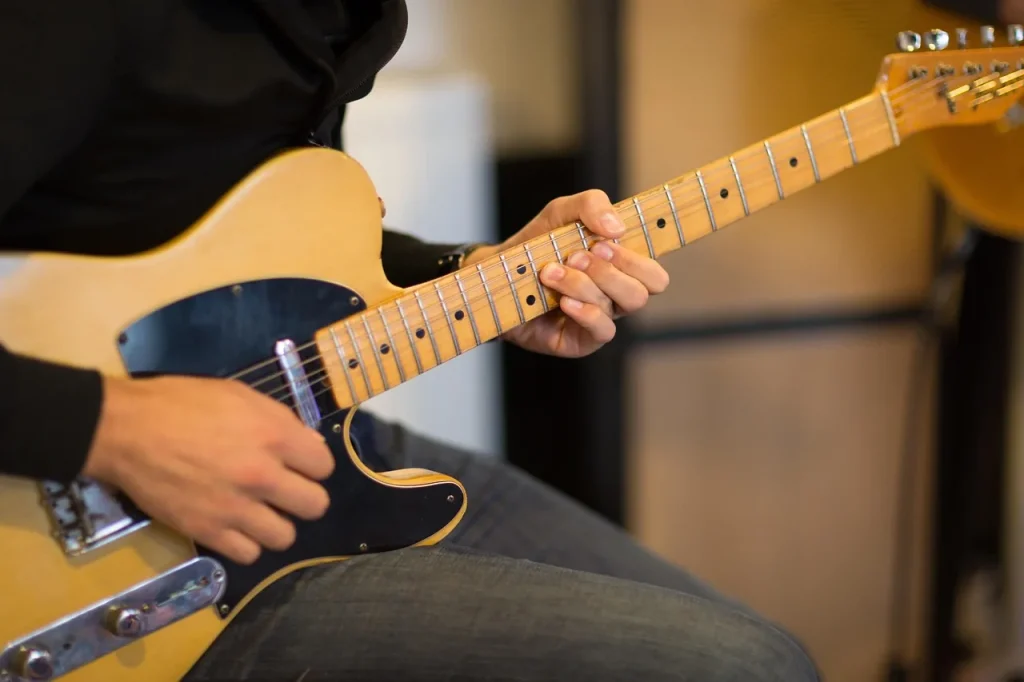
The left-handed electric guitar often raises questions. Most guitars are designed for right-handed players. Left-handed players therefore have fewer choices, and models made for them can cost more.
This left-handed electric guitar buying guide covers the key factors. It will help you choose the guitar that suits you best.
We will look at various available models. You will also find tips for left-handed electric guitarists to improve your playing experience. They take the particular needs of left-handed players into account.
Introduction to the left-handed electric guitar
The left-handed electric guitar presents particular challenges. Most guitars are designed for right-handed players, making it harder for left-handed people who want to play to choose one.
Many left-handed people play right-handed guitars. They find ways to adapt and even improve their playing. Every musician has preferences that influence their choice of guitar.
Brands are beginning to offer left-handed electric guitars, which expands the choice. Whether you choose a guitar made for left-handed players or a standard model, learning to play remains rewarding. Resources such as HGuitare are useful for learning and improving.
Good positioning is essential to avoid pain and enjoy playing music. Pay attention to your posture when standing and sitting. The “classical” position is often recommended for beginners, especially for rock or blues. Everyone needs to find the way of playing that suits them best.
How to choose a left-handed electric guitar
When choosing a left-handed electric guitar, two factors matter especially: comfort and sound quality. Both are essential to enjoying your playing.
Comfort and handling
Comfort is essential for left-handed players. A well-designed guitar is easier to hold and lets you play for a long time without tiring. The Eagletone Riverside, for example, offers exceptional comfort thanks to its solid spruce top.
Cort’s SFX series offers ergonomic acoustic-electric guitars that are ideal for left-handed players. The guitar’s shape should fit the player’s body for the best possible playing comfort.
Sound and materials
Sound quality depends on the materials used to make the guitar. The woods used for the body and neck affect its tone. Left-handed players should therefore choose these materials carefully.
The Cort Earth 70, for example, is known for its vintage sound. The Bird DG1CE stands out for its versatility and rich sound. These guitars suit players looking for exceptional acoustic quality.

| Brand | Model | Features |
|---|---|---|
| Eagletone | Riverside | Solid spruce top, sealed tuning machines |
| Cort | SFX | Ergonomic acoustic-electric guitar, slim body |
| Cort | Earth 70 | Vintage style, distinctive sound |
| Bird | DG1CE | Versatile instrument, excellent resonance |
Why choose a left-handed electric guitar?
The benefits of a left-handed electric guitar are numerous. These guitars are designed to suit the movements of the dominant hand, making the instrument easier to learn and master.
Left-handed players can play more naturally and develop their own musical style with greater ease and enjoyment.
A suitable guitar reduces muscle fatigue. Its ergonomic design makes playing more comfortable and lets left-handed players explore more sounds.
You should also consider the neck profile and pickups. These elements affect the sound. Brands such as Fender and Gibson offer left-handed models.
Trying several guitars is essential to finding the one that suits each player best. To learn more about acoustic guitars, read this article.
In conclusion, a left-handed electric guitar is an asset. It improves performance and makes playing more enjoyable. Choosing an instrument that suits you is essential to making progress.
Popular left-handed electric guitar models
Left-handed guitarists have a wide choice of models to suit their style. Some also offer good value for money.
Brands to consider
Some brands stand out for the quality of their left-handed electric guitars. Here are a few:
- Fender: the Player Series Stratocaster is a benchmark model for left-handed players.
- Squier: the Classic Vibe 60s Stratocaster is valued for its build quality.
- Cort: the G110 suits beginners and offers a wide variety of sounds.
- Ibanez: models such as the RG are popular with metal fans.
- Schecter: the Omen Extreme-6 suits players looking for a powerful sound.
Comparison of available models
This comparison of left-handed guitars highlights the differences between models. Here is an overview of the most common options:
| Model | Level | Average price | Features |
|---|---|---|---|
| Cort G110 | Beginner | €100 | Versatile sound |
| Squier Classic Vibe 60s Stratocaster | Intermediate | €400 | Quality construction |
| Fender Player Stratocaster | Advanced | €700 | Satin-finished neck for fast playing |
| Schecter Omen Extreme-6 | Advanced | €600 | Powerful distortion |

How to play a right-handed guitar left-handed
Left-handed musicians who want to play a right-handed guitar left-handed need to make some adjustments. Many play right-handed guitars. Reversing the string order is a common option, although opinions differ on it.
Reversing the strings
The first step is to reverse the strings so you can play left-handed. This can, however, change the guitar’s sound. Classical guitars, for example, are easier to adapt this way, while electric guitars can be harder to adjust.
Necessary adjustments
Besides reversing the strings, adjustments for left-handed playing are sometimes necessary. These may include modifying the nut and adjusting the strings. In some cases, you will need to consult a luthier. These adjustments help produce a balanced sound and make the guitar as comfortable as possible to play. It is also important to learn to read standard tablature and chord diagrams, even after reversing the strings.

For more advice on choosing a guitar, see this resource.
Buying a left-handed electric guitar online or in a store
Choosing a left-handed electric guitar is an important step for musicians who want to express their creativity. You have two options: buy one online or visit a store.
Music stores let you try guitars before buying. This helps you find the model that suits you best. Specialists can also advise you and answer your questions. The selection may be limited, however.
Shopping online gives you access to a wide variety of models. Specialist websites and online marketplaces offer guitars from many brands. You can compare prices and read customer reviews to help you choose.
Before buying, check the return policy, especially if you order online without trying the guitar. MUSIC STORE professional is one option: the retailer offers customer service in French, free delivery on orders over €69, and same-day dispatch.
| Model | Price (€) | Discount | Availability |
|---|---|---|---|
| Yamaha Pacifica 112jl Black | 245 | 18.5% | In stock |
| Yamaha Pacifica 112jl Yellow Natural Satin | 245 | 19.4% | In stock |
| Solid Body Prodipe St 80 Lh Ma Sunburst | 279 | Out of stock |
Whether you buy online or in a store depends on your preferences. Whichever you choose, knowing the models and brands will help you make a good decision.
Conclusion
Choosing a left-handed electric guitar takes some thought. Comfort and sound quality are essential. For beginners, spending less than €500 is a good idea. Entry-level models costing between €100 and €400 are available for new players.
You should also consider the different types of guitar. For example, acoustic-electric guitars are ideal for playing in a group. Models aimed at rock fans offer a wide variety of sounds. Trying guitars in a store or comparing models online helps you find one that suits you.
Choosing a guitar that meets your needs is essential. Renting one for a month or two can help you compare your options and make an informed choice.
FAQ
What should I look for in a left-handed electric guitar?
Which are the best brands of left-handed electric guitars?
Is it better to play a left-handed or a right-handed guitar?
How do you adjust a right-handed guitar to play it left-handed?
Where should I buy a left-handed electric guitar: online or in a store?
Which left-handed electric guitar models are popular?
What are the benefits of a left-handed electric guitar?
Source links
- https://www.fender.com/articles/techniques/play-guitar-left-handed
- https://www.yamaha.com/en/musical_instrument_guide/electric_guitar/selection/
- https://www.yamaha.com/en/musical_instrument_guide/electric_guitar/selection/
- https://www.yamaha.com/en/musical_instrument_guide/electric_guitar/selection/
- https://www.fender.com/articles/techniques/play-guitar-left-handed