
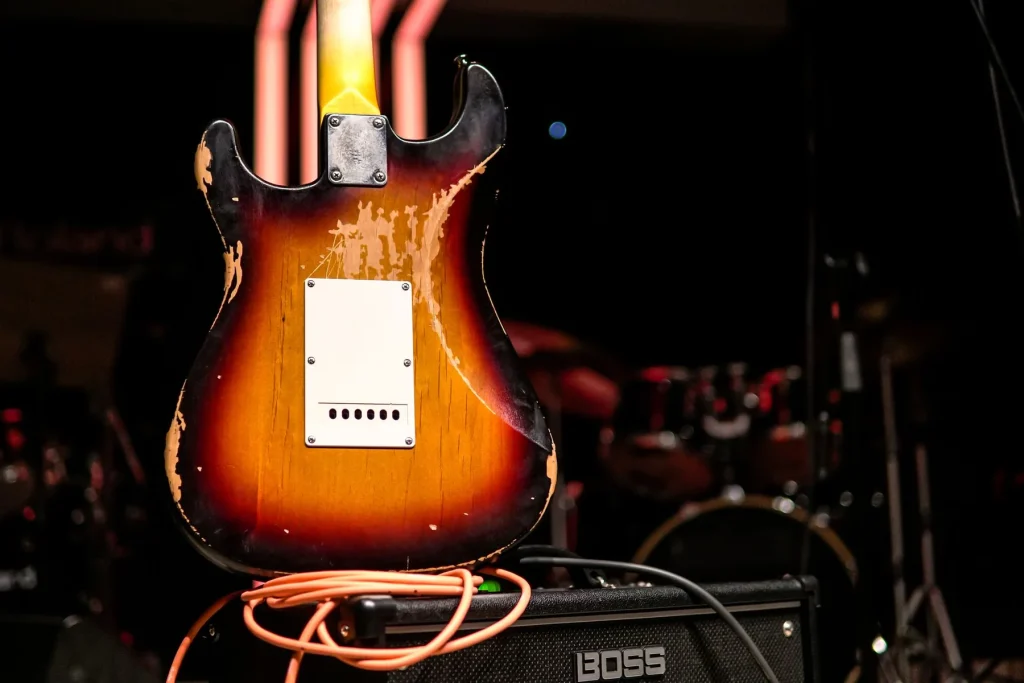
Choosing a good electric guitar amp is essential. It directly affects the quality of your sound, whether you play live or in the studio. Here is how to make the right choice by looking at the different types of amps, the key factors and some advice for beginners.
There are several types of amps, each suited to a musical genre or skill level. Whether you prefer the authenticity of tube amps or the simplicity of solid-state amps, each option has its advantages. For more information, consult this electric guitar amp buying guide.
The different types of guitar amplifiers
Choosing the right guitar amplifier can seem complicated because there are so many options. Amplifiers fall into three categories: tube amps, solid-state amps and modeling amps. Each has its own characteristics and meets different needs.
Tube amps
Tube amps are known for their warm, rich sound. They are popular for blues, rock and jazz. However, they need regular maintenance, cost more and are heavier.
To get the most out of them, you need to turn them up. This is an important consideration for musicians who play in different venues.
Solid-state amps
Solid-state amps are more affordable and lighter. They deliver a consistent sound at any volume, making them well suited to punk or pop.
Their sound may seem less saturated than that of tube amps. Nevertheless, they are reliable and easy to transport, as well as simpler to repair and maintain.
Modeling amps
Modeling amps are versatile. They can reproduce the sound of many famous amps and often include effects that make it easy to change your sound.
This type of amplifier suits guitarists who want to try different styles. It combines digital innovation with a distinctive sound experience.
The main factors in choosing a guitar amp
Choosing a guitar amp means considering several factors: power, the type of music you play and features. Look at each one to find the amp that suits you.
Amplifier power
Power, measured in watts, is an important factor. An amp rated at 50 W or more is ideal for being heard in a band. For playing at home, 10 to 30 W is enough; these amps account for 30% of sales.
The type of music you play
The genre of music you play affects your choice of amp. Rock guitarists appreciate tube amps for their rich sound. Jazz guitarists prefer amps with a cleaner sound. Choose an amp that suits your style.
Built-in features and effects
Effects such as reverb or delay add a distinctive touch to your playing. More than 70% of buyers prefer amps with two channels, which make it easy to switch sounds. Choose an amp with these features if you want more flexibility.
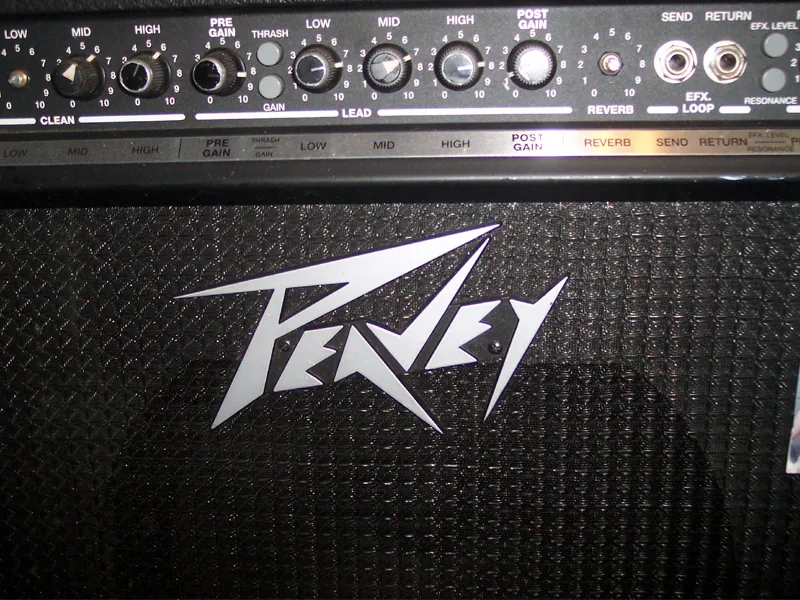
How do you choose the best electric guitar amp?
Your choice of electric guitar amp depends on your tastes and skill level. Before consulting your electric guitar amp buying guide, think about your needs. Each type of amp offers a distinctive sound. Tube amps, for example, are known for their warm tone.
Assess your needs and skill level
The amp’s power is an important factor. A sufficiently powerful amp delivers a loud, clear sound suited to concerts. Beginners may be happy with a simple amp, while more experienced guitarists may look for advanced options. Modern features, such as USB ports, are also popular.
Compare brands and models
It is essential to compare brands and models before choosing. Brands such as Marshall, Fender and Vox are known for their quality. An electric guitar amp comparison can help you read other users’ reviews. Consider your budget too, as prices vary greatly by amp type.
Guitar amps for beginners
Choosing an electric guitar amp is an important step when starting out. Look for a model that is easy to use and sounds good. The Fender Mustang LT25 and the Boss Katana 50 MKII are well suited to beginners. They are light and offer useful features for learning.
Recommended models
The 15-watt Marshall MG15GFX is a sensible choice. The VOX Pathfinder, sold for under €100, is another good option. A 10- to 20-watt amp is ideal for a clear sound without excessive volume.
The Fender Rumble 15 and the Champion 20 are recommended for their versatility. They deliver quality sound. Learn more about amps for beginners here.
Factors for beginners to consider
Beginners may be interested in a USB interface and built-in effects. These features help you explore different musical styles. A solid-state amp is sturdy and offers good value for money.
Tube amps have a richer sound. Taking the time to explore this category can change your musical experience.