
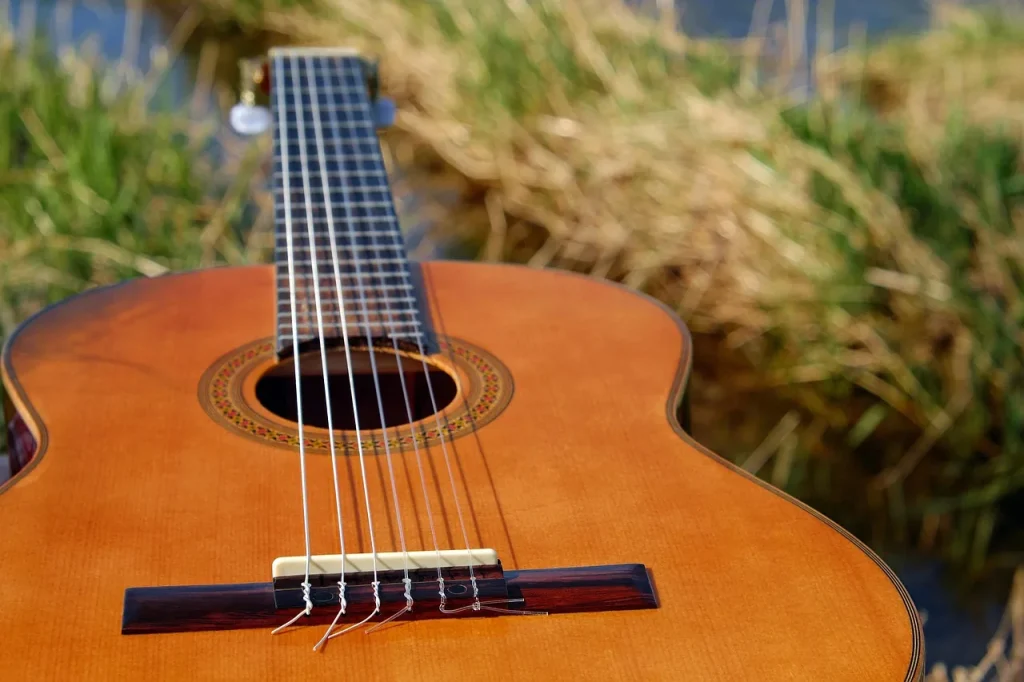
Flamenco is a form of traditional Spanish music with roots in Andalusia. This passionate, expressive music is often accompanied by the Spanish acoustic guitar. The combination of flamenco and acoustic guitar creates a unique artistic experience where emotion and tradition meet.
Flamenco is much more than music: it is a Spanish art form that reflects the spirit and culture of its people. Flamenco’s profound lyrics, intense rhythms and passionate dances captivate audiences around the world.
The Spanish acoustic guitar plays an essential role in flamenco. With its bright, overtone-rich sound, it accompanies singers and dancers, adding depth and intensity to the music.
In the following sections, we will explore flamenco’s fascinating history, the Spanish culture surrounding it and the unique features of the flamenco acoustic guitar. Join us in discovering the captivating world of flamenco and the Spanish acoustic guitar.
Flamenco: traditional Spanish music
Flamenco is a form of traditional Spanish music deeply rooted in the country’s culture. It originated in Andalusia, in southern Spain, and has since become a symbol of Spanish identity. Flamenco expresses profound emotions, from passion to sadness, through song, dance and, of course, the flamenco acoustic guitar.
Flamenco has a rich history stretching back several centuries. It is closely tied to Spanish culture and has evolved over time, incorporating Arab, Jewish and Roma influences. In its early days, flamenco was associated with working-class and marginalized communities, but it soon grew in popularity and became a distinct form of artistic expression.
The flamenco acoustic guitar is at the heart of this music. It differs from other acoustic guitars in its bright, overtone-rich sound, slightly smaller body and distinctive playing style. Making a flamenco guitar calls for lightweight woods such as Spanish spruce for the soundboard. When choosing a flamenco guitar, it is important to consider factors such as string action, the woods used and the presence of a golpeador to protect the soundboard. Popular flamenco guitar brands include Admira, Alhambra and Camps.

The flamenco guitar accompanies singing and flamenco dance, but it is also played solo using techniques that bring out flamenco’s distinctive rhythms and chords. Famous flamenco guitarists include Paco de Lucía and Tomatito, who helped bring flamenco to audiences around the world.
| Famous flamenco guitarists |
|---|
| Paco de Lucía |
| Tomatito |
| Vicente Amigo |
| Manolo Sanlúcar |
The flamenco acoustic guitar: a unique instrument
Flamenco is a form of traditional Spanish music that uses the flamenco acoustic guitar. This guitar differs from other acoustic guitars in its bright, overtone-rich sound, slightly smaller body and distinctive playing style.
The flamenco guitar is often made with lightweight woods such as Spanish spruce for the soundboard. These woods produce a clear, punchy sound well suited to flamenco playing. Flamenco guitars also have a lower string action, making the fast, percussive techniques characteristic of flamenco easier to play.
Flamenco styles
There are several flamenco styles, each with its own musical characteristics. Among the best known are soleá, bulería, fandango and taranto. Each style has its own rhythms and melodic structures, requiring particular technical skill and musical sensitivity from the guitarist.
| Popular flamenco guitar brands |
|---|
| Admira |
| Alhambra |
| Camps |
Alongside its distinctive playing techniques, the flamenco guitar is often used to accompany singing and flamenco dance. It plays an essential role in creating the atmosphere and rhythms characteristic of the music and flamenco dance.
Famous flamenco guitarists such as Paco de Lucía and Tomatito have helped popularize this art form and pushed the boundaries of flamenco guitar technique. Their virtuosity and passion have inspired guitarists around the world to explore the captivating world of flamenco and the Spanish acoustic guitar.
The characteristics of the flamenco guitar
The flamenco guitar, used in traditional Spanish flamenco music, differs from other acoustic guitars in several ways. First, its sound is bright and rich in overtones, giving it a powerful, distinctive voice. This is partly due to its slightly smaller body and its Spanish spruce soundboard, a lightweight wood that encourages resonance and sound projection.
When choosing a flamenco guitar, it is important to consider certain features. The string action, or the distance between the strings and the fingerboard, is generally lower on a flamenco guitar, allowing faster, easier playing. The woods used to make the guitar, such as cypress for the back and sides, also contribute to its characteristic flamenco sound.
Another crucial feature of a flamenco guitar is the golpeador, a plastic protective plate attached to the soundboard. The golpeador protects the guitar from rhythmic taps made with the fingers or a pick, a technique commonly used in flamenco. Choosing a quality flamenco guitar is important. Established brands such as Admira, Alhambra and Camps offer models valued by flamenco guitarists.
The flamenco guitar is a versatile instrument essential to flamenco music. Besides being played solo, it often accompanies flamenco singing and dancing. Famous flamenco guitarists such as Paco de Lucía and Tomatito have helped establish the flamenco guitar as an emblematic instrument of Spanish music.
| Flamenco guitar | Characteristics |
|---|---|
| Admira | – Lightweight body made of cypress |
| Alhambra | – Bright, overtone-rich sound |
| Camps | – Traditional Spanish craftsmanship |
In conclusion:
The flamenco guitar is an instrument of great importance in the world of flamenco. Its lightweight body, unique sound and distinctive features make it a natural choice for flamenco guitarists. Whether played solo or used to accompany flamenco singing or dancing, the flamenco guitar continues to enchant lovers of Spanish music around the world.
Flamenco, an emblematic Spanish dance and music tradition, is often accompanied by the beautiful flamenco guitar. This unique instrument plays an essential role in creating flamenco’s passionate, captivating atmosphere. With its bright, overtone-rich sound, the flamenco guitar adds great depth and intensity to traditional Spanish music.
As flamenco dancers perform fiery, rhythmic steps, the flamenco guitar accompanies them with powerful chords and expressive melodies. This interplay between dance and music creates a compelling connection that takes audiences on an emotional journey.
Flamenco guitarists use techniques distinctive to the instrument. Rasgueado, picado and golpe allow them to produce percussive sounds that complement the dance and add dynamic texture to the music.
The flamenco acoustic guitar is an essential part of Spanish art and culture. It continues to fascinate music lovers around the world with its unique sound and ability to convey intense emotion. Whether it provides accompaniment for flamenco dance or is played solo, the flamenco guitar remains a cornerstone of Spanish music.
| Famous flamenco guitarists |
|---|
| Paco de Lucía |
| Tomatito |

In this article, we have explored the fascinating world of flamenco and the Spanish acoustic guitar. We have seen that flamenco is a traditional Spanish music form that uses the flamenco acoustic guitar to create unique, captivating sounds. The flamenco guitar differs from other acoustic guitars in its slightly smaller body, bright, overtone-rich sound and distinctive playing style.
We have also learned that making a flamenco guitar calls for lightweight woods such as Spanish spruce. Choosing a flamenco guitar involves considering factors such as string action, the woods used and the presence of a golpeador to protect the soundboard.
Finally, we have seen that the flamenco guitar often accompanies flamenco singing and dancing, adding a rhythmic and expressive dimension to traditional Spanish music. Famous flamenco guitarists include virtuosos such as Paco de Lucía and Tomatito.
In short, flamenco and the Spanish acoustic guitar continue to enchant music lovers around the world with their unique history, artistry and culture.
FAQ
What is flamenco?
Flamenco is a form of traditional Spanish music.
How does the flamenco acoustic guitar differ from other guitars?
The flamenco acoustic guitar has a bright, overtone-rich sound, a slightly smaller body and a distinctive playing style.
What woods are used to make a flamenco guitar?
Flamenco guitars are made with lightweight woods such as Spanish spruce for the soundboard.
How do you choose a flamenco guitar?
It is important to consider factors such as string action, the woods used and the presence of a golpeador to protect the soundboard.
Which flamenco guitar brands are popular?
Popular flamenco guitar brands include Admira, Alhambra and Camps.
How is the flamenco guitar used in flamenco?
The flamenco guitar is often used to accompany flamenco singing and dancing.
Who are some famous flamenco guitarists?
Famous flamenco guitarists include Paco de Lucía and Tomatito.