
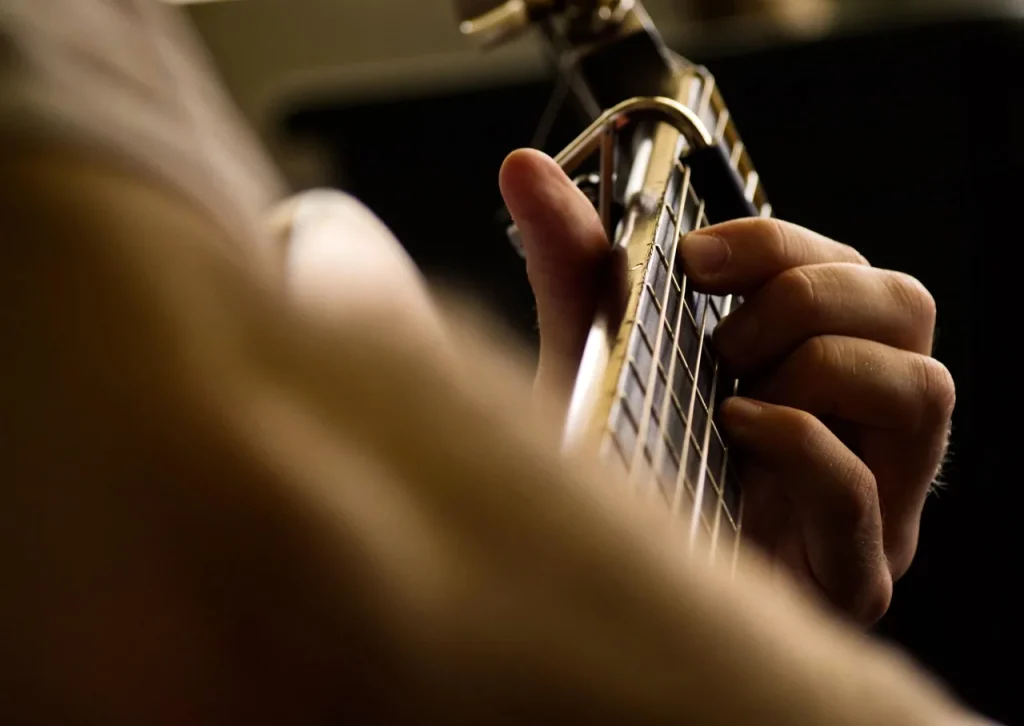
In this article, we explore alternate tunings for the acoustic guitar and discover the unique sounds and new possibilities they offer.
Alternate tunings involve changing the standard tuning of the guitar to create new sounds and different playing possibilities. There are many alternate tunings, each with its own advantages and challenges.
Among the most popular alternate tunings are Drop D, open G, open D, “Nick Drake” tuning, P4 tuning, Drop B, Bruce Palmer modal tuning, new standard tuning, and American Football’s open F9 tuning.
Guitarists such as Keith Richards, Joni Mitchell, and the members of Sonic Youth have explored and used these alternate tunings to enrich their playing and create their own sound. Alternate tunings give guitarists a chance to explore new forms of creative expression and push the boundaries of the acoustic guitar.
What is an alternate tuning for acoustic guitar?
An alternate tuning for the acoustic guitar changes the instrument’s standard tuning to create new sounds and explore new ways of playing. By adjusting the pitch of each string, you can obtain different tunings from standard tuning.
These changes can subtly or radically alter the sound of the acoustic guitar. They can also make certain playing techniques easier or more complex. Many guitarists use alternate tunings across genres, from folk and rock to experimental music and metal.
“Alternate tunings give guitarists a chance to explore new forms of creative expression and push the boundaries of the acoustic guitar.”
Exploring alternate tunings helps guitarists broaden their range of sounds and create unique textures. Some alternate tunings, such as Drop D and open G, are especially popular for their powerful sounds and the ease with which they allow fingerpicking. Others, such as “Nick Drake” tuning and P4 tuning, are more technically demanding but offer interesting harmonic possibilities.
In short, exploring alternate tunings lets guitarists express their creativity, move beyond familiar approaches, and add a distinctive dimension to their playing. It is a fascinating field that continues to inspire musicians to push the boundaries of the acoustic guitar.
Table of popular alternate tunings
| Tuning | Example musician |
|---|---|
| Drop D | Kurt Cobain |
| Open G | Keith Richards |
| Open D | Joni Mitchell |
| “Nick Drake” tuning | Nick Drake |
| P4 tuning | Sonic Youth |
| Drop B tuning | Deftones |

Popular alternate tunings
Popular alternate tunings for acoustic guitar include Drop D, open G, open D, “Nick Drake” tuning, P4 tuning, and Drop B. Each lets guitarists explore new sounds and distinctive ways of playing.
Drop D tuning is often used in rock and metal. It lowers the D string by a whole step, making it possible to play powerful riffs and achieve a heavier sound.
Open G is very popular in blues and folk. The guitar strings are tuned so that strumming all the open strings produces a G major chord. This creates a very open, resonant sound, perfect for accompanying blues or folk songs.
Open D is similar to open G, but it is tuned to D major. It also offers a rich, resonant sound, ideal for slide playing and atmospheric melodies.
“Nick Drake” tuning is an alternate tuning used by the celebrated folk singer and guitarist Nick Drake. It creates a unique, captivating sound. Less familiar than the other tunings, it gives guitarists an interesting range of sounds to explore.
P4 tuning raises all the guitar strings by four semitones. This creates a dissonant, experimental sound, perfect for musicians who want to push the boundaries of the acoustic guitar.
Drop B tuning is mainly used in metal and alternative rock. It lowers the B string by a whole step, producing a deep, powerful sound.
Table of popular alternate tunings for acoustic guitar:
| Tuning | Description | Uses |
|---|---|---|
| Drop D | Lowers the D string by a whole step | Rock, metal |
| Open G | Open tuning in G major | Blues, folk |
| Open D | Open tuning in D major | Blues, folk, slide |
| “Nick Drake” | Tuning used by Nick Drake | Folk |
| P4 | Raises all strings by four semitones | Experimental music |
| Drop B | Lowers the B string by a whole step | Metal, alternative rock |
Guitarists who explore these alternate tunings can create unique atmospheres and push the boundaries of the acoustic guitar. Drawing inspiration from legendary musicians such as Keith Richards, Joni Mitchell, and the members of Sonic Youth, they can find new forms of creative expression and develop their own sound.

Ultimately, exploring alternate tunings for acoustic guitar opens up new musical possibilities and lets guitarists express their creativity in their own way. Whether you want to play powerful rock, soulful blues, or atmospheric melodies, alternate tunings offer a wealth of possibilities. Try these popular tunings, as well as lesser-known ones, to discover your own style and sound.
Other interesting alternate tunings
Beyond the popular tunings, other interesting alternate tunings for acoustic guitar include Bruce Palmer modal tuning, new standard tuning, and American Football’s open F9 tuning. They give guitarists distinctive ways to explore new musical territory and broaden their range of sounds.
Bruce Palmer modal tuning is a variation on standard tuning that produces rich, evocative modal sounds. It is mainly used in folk music and offers great expressiveness and deep resonance.
New standard tuning is an alternate tuning with a new arrangement of the guitar strings. It offers a distinctive sound and allows players to explore new harmonies and musical textures. Many contemporary guitarists use this tuning to create original, innovative compositions.
American Football’s open F9 tuning is a complex alternate tuning that produces rich, atmospheric sounds. It offers a wide range of chords and chord combinations that add a distinctive dimension to the music. This tuning is particularly appreciated in indie music and post-rock.
Table: comparison of different alternate tunings
| Tuning | Sound | Use | Example musicians |
|---|---|---|---|
| Bruce Palmer modal tuning | Rich, evocative modal sounds | Folk and acoustic styles | Neil Young, Nick Drake |
| New standard tuning | Distinctive sound, new harmonies and textures | All musical styles | Andy McKee, Jon Gomm |
| American Football’s open F9 tuning | Rich, atmospheric sounds | Indie and post-rock styles | American Football, Sigur Rós |
Exploring these alternate tunings helps guitarists push the boundaries of their creativity and discover new ways to express themselves musically. Whether you are a musician seeking inspiration or simply curious about new sounds, these tunings can offer a unique and rewarding musical experience.
Exploring alternate tunings for acoustic guitar has many advantages: it lets guitarists express their creativity and push the instrument’s boundaries. By adopting alternate tunings, guitarists can discover new sounds and broaden their musical range.
One major advantage of exploring alternate tunings is the chance to express creativity in an original way. By using different tunings, guitarists can create unique sonic atmospheres and add another artistic dimension to their compositions. This opens up new possibilities for musical exploration and helps artists develop a distinctive sound.
Alternate tunings also let guitarists push the instrument’s boundaries. By changing the traditional tuning, they can discover new playing techniques and explore unfamiliar territory. This encourages experimentation and the development of new skills, helping their musical style evolve.
Finally, exploring alternate tunings lets guitarists draw inspiration from great musicians who have used these techniques in innovative ways. By discovering and mastering the tunings used by renowned artists such as Keith Richards, Joni Mitchell, and the members of Sonic Youth, guitarists can adopt new sounds and refine their own musical style.
| Advantages of exploring alternate tunings: |
|---|
| Expression of artistic creativity |
| Expansion of the musical repertoire |
| Exploration of new playing techniques |
| Inspiration from famous musicians |
“Exploring alternate tunings opens up a world of musical possibilities. It gives guitarists a way to express their individuality and artistic vision.” — Keith Richards
Exploring alternate tunings for acoustic guitar gives guitarists an exciting opportunity to express their creativity, expand their musical repertoire, and push the instrument’s boundaries. By exploring these new paths, guitarists can find their own sound and develop a unique musical identity. Venture into the world of alternate tunings and let your musical creativity flow!
Conclusion
Exploring alternate tunings for acoustic guitar opens up new musical possibilities, helping guitarists enrich their playing and create a sound of their own.
In this article, we have seen that alternate tunings change the guitar’s standard tuning to produce new sounds and different playing possibilities. There are many alternate tunings, each with its own advantages and challenges.
Among the most popular alternate tunings are Drop D, open G, open D, “Nick Drake” tuning, P4 tuning, Drop B, Bruce Palmer modal tuning, new standard tuning, and American Football’s open F9 tuning.
Renowned guitarists such as Keith Richards, Joni Mitchell, and the members of Sonic Youth have explored and used these alternate tunings to enrich their playing and create their own sound. These tunings give guitarists a chance to explore new forms of creative expression and push the boundaries of the acoustic guitar.
FAQ
What is an alternate tuning for acoustic guitar?
An alternate tuning for acoustic guitar changes the guitar’s standard tuning to produce new sounds and different playing possibilities.
What are the most popular alternate tunings for acoustic guitar?
Among the most popular alternate tunings for acoustic guitar are Drop D, open G, open D, “Nick Drake” tuning, P4 tuning, and Drop B.
What other interesting alternate tunings are there for acoustic guitar?
Other interesting alternate tunings for acoustic guitar include Bruce Palmer modal tuning, new standard tuning, and American Football’s open F9 tuning.
What are the advantages of exploring alternate tunings for acoustic guitar?
Exploring alternate tunings for acoustic guitar lets guitarists discover new forms of creative expression and push the instrument’s boundaries.