
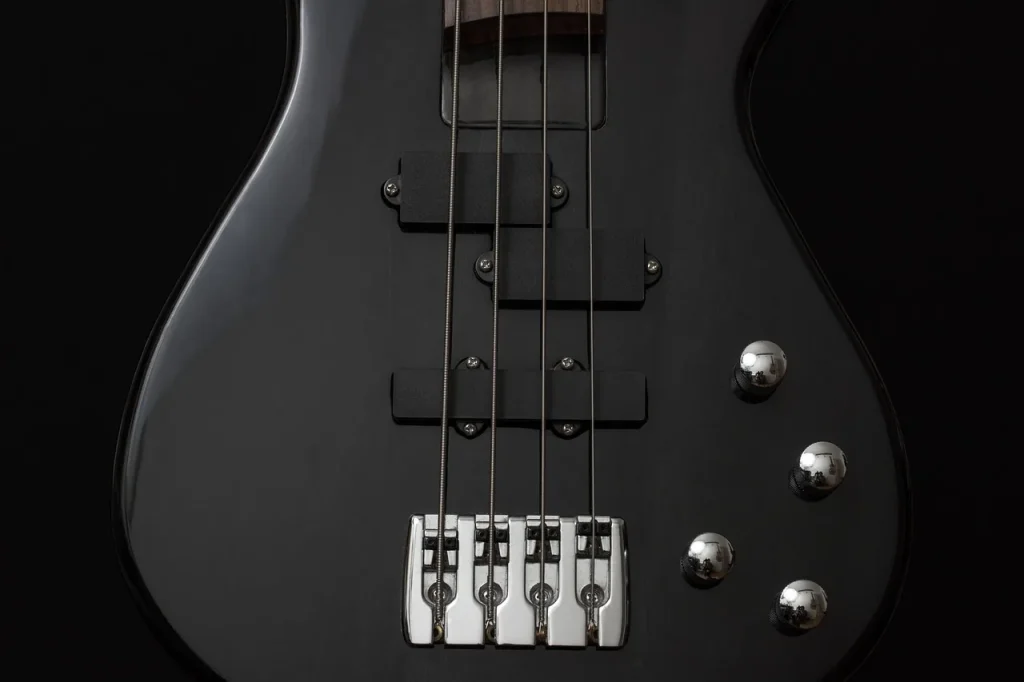
Goal: help readers choose a bass guitar that combines quality with a tight budget. We tried several models in a Paris shop to assess their sound quality and build quality.
This guide compares specific models and offers practical advice for buying one. We explain the key criteria: neck comfort, balance, pickup type, bridge, finish and electronics, and how they affect the sound.
We compare the brand with Yamaha, Ibanez and Gibson to assess their offerings and prices. Some instruments have one pickup; others have two, which affects their versatility.
You will also find information about warranties (up to 2 years from some retailers), advice on trying a bass in a shop or buying online, and a link to a representative model such as the Classic Vibe ’70s Jazz Bass.
Next: the following sections examine the strengths and weaknesses of each family to help you choose the best value.
Why Squier appeals to bassists in France today
The brand appeals to players in France because its instruments feel much like classic models without costing a fortune.
Part of the Fender family, Fender Squier offers instruments that share Fender’s looks and playing comfort. Necks with a C profile, light or standard-weight bodies, and Fender Designed pickups provide a familiar feel.
The value for money is often praised: improving finishes, straightforward adjustments and reliable controls make these instruments reassuring choices for a first purchase or a spare bass.
Availability in France makes it easier to try one in a shop. Large retailers and specialist shops carry stock, offer returns and provide after-sales service. A properly set-up bass can serve its owner for several years while they refine their style or consider replacing the pickup or bridge.
- Clear, punchy sound suited to rock, funk and pop.
- Comfortable ergonomics for rehearsals and live shows.
- A range of series (Affinity, Classic Vibe) offering different looks and components.
To learn how to choose your first instrument, see our practical guide to choosing a bass as a beginner.
The best affordable Squier basses right now: our value picks
These picks focus on instruments that are easy to handle, reliable and capable of sounding good in several styles.
Squier Bronco Bass Short Scale
Comfort: a short scale, slim lightweight body and a very comfortable C-profile neck for small hands.
Pickup: one Bronco single-coil pickup. Simple but clear, it sits well in a mix.
Strengths and limits: a narrower range of sounds than two pickups provide, but useful simplicity for learning to control the dynamics of your plucking hand.
Its attractive price makes it a contender for the best bass for beginners among short, lightweight models.

Classic Vibe ’70s Jazz Bass
Two Alnico single-coil pickups, separate volume controls and a tone control. The Classic Vibe lets you blend the neck and bridge pickup signals to shape your sound.
A maple neck with a C profile, 20 frets and a 38.1 mm nut make for fast playing and vintage styling right up to the headstock.
Precision or Jazz: which suits your style?
The Precision Bass emphasizes powerful mids and lows; it is ideal for rock and punk.
The Jazz Bass offers more articulation and brightness; it suits funk, pop and fusion.
- Tip: choose according to the number of pickups, scale length and appearance.
- These two models complement each other in a bass guitar collection.
Squier by Fender: good basses at a low price? Assessing value and sound
Here we look at how the body, neck and electronics shape the sound onstage and in the studio.
Build quality and finish: the assembly is tidy and the finish is respectable at this price. The body is often slim and light on entry-level models, reducing fatigue. Necks with a C profile offer real comfort and easy access to the frets.
Depending on the series, the fingerboard is maple or rosewood. On the Classic Vibe, the gloss finish and vintage details are carefully done, giving it a cohesive look onstage.
Pickups and tonal character
Single-coil pickups provide clarity and attack. They work well for funk, pop and clean-toned rock.
A split-coil pickup and P/J or two-single-coil configurations add body and mids. That makes the bass better suited to rock, punk or soul.
| Model | Body & neck | Electronics | Recommended styles |
|---|---|---|---|
| Bronco | Slim, lightweight body; C-profile neck | One single-coil pickup | Beginners, pop, simple rhythms |
| Classic Vibe ’70s Jazz | Gloss-finished maple neck, 20 frets | Two Alnico single-coil pickups, separate volume controls and tone | Funk, studio, vintage |
| Player Jazz Bass | Alder body; maple neck | Two AlNiCo V single-coil pickups | Classic Fender sound: rock, funk, session work |
Sound verdict: combine a comfortable body and neck with well-chosen pickups and you get sounds suited to most situations. The overall value is strong; you can upgrade the instrument later by replacing the pickups or bridge if needed.
Squier or Fender Player Jazz Bass: is the classic Fender sound worth paying more for?
The choice depends on sound, comfort and durability. With its alder body and two Player Series Alnico 5 pickups, the Player aims for the classic Fender sound: clarity and power.
AlNiCo V pickup tones: single-coil clarity and power
The Player’s single-coil pickups deliver lively attack and rich harmonics.
The Classic Vibe has musical Fender Designed pickups and volume and tone controls that let you shape the sound precisely.
Neck, ergonomics and long scale
Both instruments have a C-profile neck and a long scale. The Player is more modern, however, with a 9.5-inch radius, and offers greater playing precision.
The choice of fingerboard (maple or pau ferro, with rosewood on other models) affects tone and feel.
Price and value: who is each model for?
- Beginners and intermediate players: a properly set-up Classic Vibe bass guitar covers the essentials. See our best bass guitars.
- Heavy use: the Player justifies its higher price with better response and a superior finish for years of playing.
“Paying more makes sense if you want refinement and durability over the long term.”
Quick buying guide: what to check before choosing your bass guitar
Before buying, check the scale length, electronics and quality of the setup. These determine comfort and sound in rehearsal or at a gig.
Short or long scale
A short scale measures about 30 inches (≈ 76 cm): string tension is lower and playing is easier for small hands.
A standard long scale measures 34 inches (≈ 86 cm): it offers better definition and tuning stability. Buy strings that suit your chosen scale length.
Pickups and configuration
A single-coil pickup offers clarity and attack. A single coil can pick up interference.
A dual-coil pickup (humbucker) reduces noise and produces a thicker sound. A P/J configuration is versatile and offers a range of sounds for studio and stage.
Controls and shaping your sound
Separate volume controls and a tone control let you blend the neck and bridge pickup signals by ear. With just one pickup, pay attention to the setup and your touch.
Bridge, fingerboard and neck
The bridge affects intonation, attack and sustain. A stable bridge makes adjustments easier.
A maple fingerboard gives a snappy sound; rosewood softens the tone. Check the neck profile (C profile and nut width) and the string height in the shop.

| Criterion | Impact | Recommendation |
|---|---|---|
| Scale length | Comfort and definition | 30 inches for small hands, 34 inches for precision |
| Pickup | Clarity and noise | Single coil for funk, humbucker for rock, P/J for versatility |
| Bridge and fingerboard | Sustain, attack, comfort | Choose a stable bridge and a fingerboard that suits the tone you want |
Budget: allow for a gig bag, strap and initial setup by a guitar technician so your electric bass is fully playable. These expenses help the instrument last and make it more enjoyable to play.
Alternatives at a similar price to help you assess Squier
If you want other options in the same price range, these three models provide useful comparisons. They show that the choice mainly comes down to sound, comfort and playing style.

Yamaha BB434
Features: passive P/J configuration, comfortable neck, 21 frets and a rosewood fingerboard.
A lightweight instrument with an adjustable four-saddle bridge and a clear passive sound. It is a well-made, affordable alternative for rock and soul players.
Ibanez Standard RGB300
Features: poplar body, maple neck, 22 frets, active Dynamix P/J electronics and a two-band EQ.
The active pickup provides power for rock and metal. The sturdy B10 bridge helps the bass stay in tune onstage.
Gibson Les Paul Junior Tribute DC
Features: short scale (774 mm), mahogany body, maple neck and a rosewood fingerboard.
A single BassBucker pickup with split coils gives it a warm, singing tone. Remember to choose strings suited to this short scale.
- Comparing body woods: poplar is light and responsive; mahogany adds warmth; alder and its variants, found on other models, offer balance.
- Styles: Ibanez for rock and metal; Yamaha for soul and classic rock; Gibson for thick, vintage bass lines.
- Tip: try each bass while sitting and standing, and listen to how it works with your amp.
Price and value: these guitars are presented as options in a similar price range and show that, depending on your style, another choice may suit you better than a Jazz Bass.
Where to buy in France: shops, prices and availability
Physical shops and online retailers each offer ways to find the right bass.
Shops and specialist websites
Woodbrass (Paris) and Thomann carry popular models: the Bronco, Classic Vibe ’70s Jazz and Player Jazz, along with the Yamaha, Ibanez and Gibson models mentioned above.
In a shop, ask to try the bass. Check the neck, alignment, string height and intonation. Listen to the different pickup settings through headphones and a small amp.
Ask the salesperson for a quick setup and compare bundles that include a gig bag, strap or cable.

Amazon and exclusives
Amazon often lists models with high customer ratings (for example, 4.5/5) and an “Amazon Exclusive” label. Compare delivery times and shipping costs.
Read reviews to spot recurring problems: crackling volume and tone controls, finish flaws or tuning instability.
- Compare prices and model availability at Woodbrass, Thomann and Amazon.
- Visually inspect the headstock, nut and frets before buying.
- Consider suitable strings, the warranty (up to 2 years) and return options.
Final tip: try the bass in a shop, then complete your purchase online if a Fender Squier model or another option meets your sound and comfort requirements.
Conclusion
Conclusion: choose the instrument that makes you want to play. A short-scale Bronco offers simplicity and comfort for beginners. The Classic Vibe Jazz Bass offers two single-coil pickups for a wide range of sounds.
The Player Jazz has AlNiCo V pickups and a more refined body if you want the “classic” sound. Compare Yamaha, Ibanez and Gibson as well, depending on how you will use your bass.
Keep these criteria in mind: scale length, pickup, controls, bridge, finish and strings. Try the bass sitting and standing, then check the frets and intonation. Chosen well, a bass guitar can serve you for years and become your best bass.