

Acoustic guitars come in a wide variety of types, each with its own sound and distinctive features. Whether you are a music-loving beginner or an experienced guitarist, it is important to choose the right acoustic guitar for your preferences and playing style.
The Dreadnought is one of the most popular types. Its distinctive shape and generous size produce a powerful sound with excellent projection. It is particularly well suited to energetic players looking for a versatile acoustic guitar.
The Parlor guitar, meanwhile, is ideal for solo performances. Its compact size makes it easy to handle, while its balanced sound lets every note shine. Guitarists appreciate the Parlor for its playability and impressive projection despite its small size.
The Jumbo guitar stands out for its large body and powerful sound. It is often chosen by guitarists seeking exceptional volume. Whether you play alone or with a group, the Jumbo guitar is sure to be heard.
These three types of acoustic guitars are just a few of the many available. There are also Auditorium, Concert, Grand Concert, Orchestra and Round Shoulder guitars, each with its own features and sound. To choose the right acoustic guitar, consider your musical preferences, experience level and budget.
Whether you are drawn to the Dreadnought’s powerful sound, the Parlor’s playability or the Jumbo’s volume, there is an acoustic guitar for you. Take time to explore the different types and try several models before making your choice.
Whatever you decide, the quality of the acoustic guitar matters. Choose one made from good materials and examine it carefully for signs of quality before buying. The wood used to make the guitar also plays an important role in its sound.
In conclusion, acoustic guitars offer plenty of choice for musicians at every level. Whether you are a beginner or a seasoned professional, there is an acoustic guitar to suit your needs. Explore the different types, try them out and find one that inspires you.
Characteristics of Dreadnought guitars
Dreadnought guitars are known for their broad shape, deep body and powerful sound. They are often favored by energetic players seeking clear, strong projection. The Dreadnought shape was popularized by the well-known guitar maker Martin and has since become a classic in the world of acoustic guitars.
The Dreadnought’s size gives it exceptional resonance and volume, especially in the bass. This makes it an excellent choice for guitarists who use vigorous picking techniques or play rhythmic styles such as blues, folk or country.
Alongside its power, the Dreadnought offers a balanced response in the midrange and treble, making it versatile across many musical genres. Whether you enjoy fingerpicking or strumming chords, the Dreadnought delivers satisfying tone and projection.
| Guitar type | Characteristics |
|---|---|
| Dreadnought | Broad shape, deep body, powerful sound |
| Jumbo | Large size, powerful sound |
| Auditorium/Grand Auditorium | Balanced, versatile sound |
| Parlor | Easy to play, ideal for solo performances |
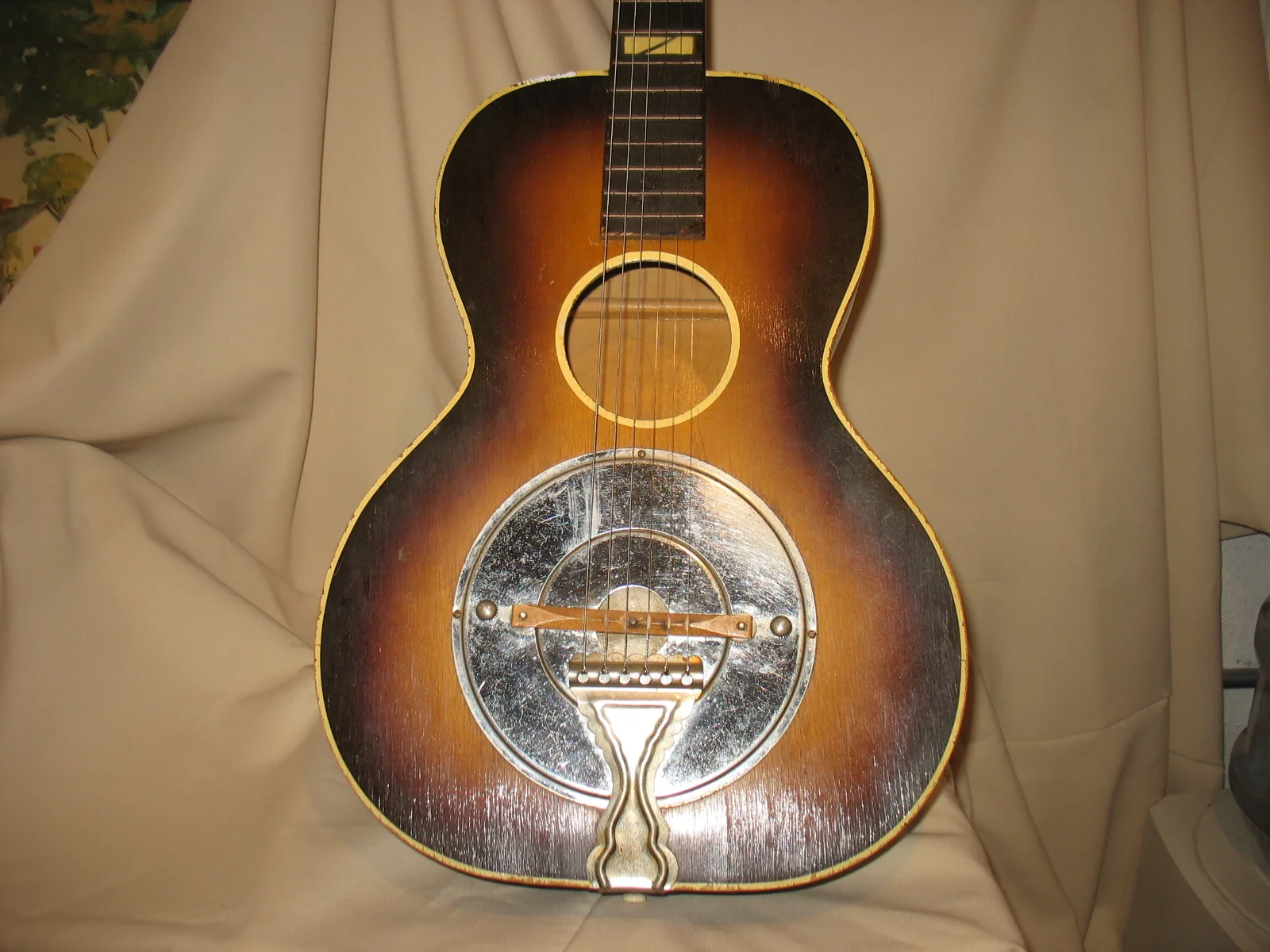
“The Dreadnought is the ultimate guitar for aggressive players.” — John Smith, professional guitarist
Parlor guitars: ideal for solo performances
Parlor guitars offer a gentle sound and a comfortable playing experience, making them a popular choice for solo performances. Their compact size makes them easy to carry and play, which is ideal for musicians who travel frequently. Despite their small size, Parlor guitars produce a balanced, warm sound that is perfect for intimate acoustic sessions.
The characteristic shape of Parlor guitars, with a narrower body and rounded upper shoulder, also gives them an appealing vintage look. These guitars were popular in the parlors and intimate musical gatherings of the 19th century, and their timeless charm continues to attract admirers today.
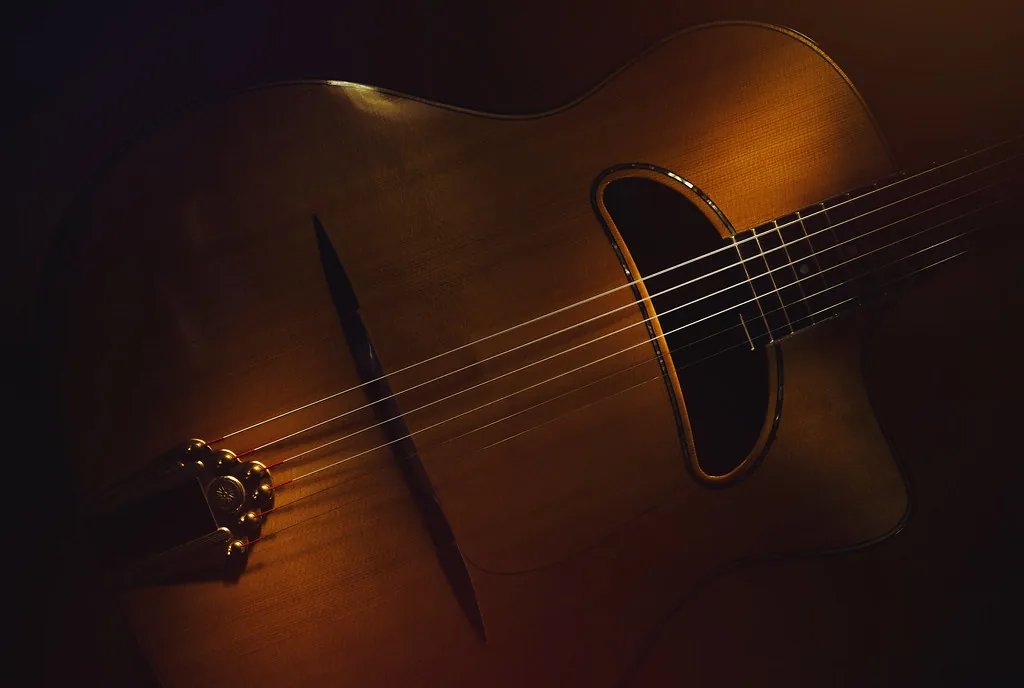
If you focus on solo performances and want a gentle, balanced sound, a Parlor guitar may be ideal for you. Folk, blues and fingerstyle guitarists often use it, valuing its versatility and ability to suit different musical styles.
Characteristics of Parlor guitars:
| Characteristic | Description |
|---|---|
| Size | More compact than other types of acoustic guitars, with a narrower body and rounded upper shoulder. |
| Sound | Produces a gentle, balanced and warm sound. |
| Playability | Easy to play thanks to its smaller body and shorter neck. |
| Appearance | With their characteristic shape and vintage design, Parlor guitars have a distinctive appearance that appeals to many musicians. |
In conclusion, Parlor guitars offer a gentle sound and comfortable playing experience, making them excellent for solo performances. Their compact size and vintage appearance also appeal to many musicians. If you want an acoustic guitar that combines versatility, comfort and balanced tone, a Parlor guitar could be ideal for you.
Jumbo guitars: exceptional volume
Jumbo guitars are known for their excellent projection and their ability to produce deep, punchy bass. Their large size and spacious bodies give them exceptional volume. Whether you play solo or in a group, a Jumbo can fill the space with rich, powerful sound.
Jumbo guitars also offer a strong bass response. Their large bodies allow the strings to move more freely, producing deep, punchy bass. This makes them an excellent choice for musical styles that call for deep resonance and solid rhythmic support.
Jumbo guitars also suit musicians who enjoy dynamic playing techniques. Their sensitivity to changes in touch lets guitarists explore a wide range of tonal nuances and expression. Whether you fingerpick or strum, the Jumbo offers a versatile, expressive sound.

In conclusion, Jumbo guitars are an excellent choice for guitarists seeking exceptional volume and deep bass. Their large size, strong projection and punchy low end make them especially appealing instruments. Whatever your playing style, a Jumbo offers a rich, powerful sound that can help you stand out on stage or in the studio.
Other types of acoustic guitars
Besides Dreadnought guitars, Parlors and Jumbos, there are other popular acoustic guitar types, each with a distinct sound and playing feel. These include the Auditorium, Concert, Grand Concert, Orchestra and Round Shoulder. Each model has its own characteristics.
The Auditorium is a versatile choice that suits many musical styles. With its medium size and balanced body, it offers excellent projection and an even tonal response. It is an excellent choice for versatile guitarists seeking a clear, balanced sound.
| Guitar | Characteristics |
|---|---|
| Auditorium | Medium size, balanced sound, good projection |
| Concert | Compact size, clear sound, ideal for fingerpicking |
| Grand Concert | Slightly larger than a Concert, with a rich, powerful sound |
| Orchestra | Similar in size to a Concert, with a balanced sound suited to fingerpicking |
| Round Shoulder | Warm sound, popularized by artists such as John Lennon |
The Concert is a compact acoustic guitar with a clear, distinct sound. Fingerpickers often appreciate its quick, precise response. The Grand Concert is slightly larger than the Concert and offers a richer, more powerful sound.
The Orchestra is another acoustic guitar similar in size to the Concert, but it stands out for its tonal balance and ability to produce clear, precise notes. It is particularly well suited to fingerpicking and solo playing.
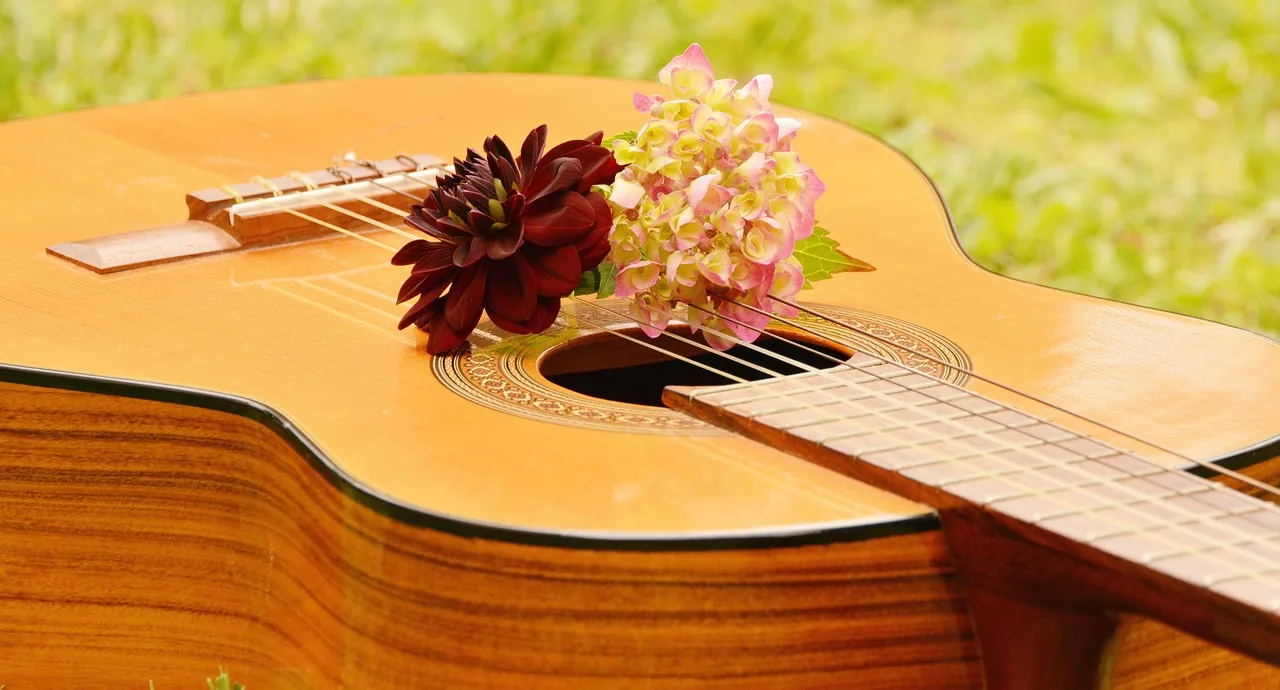
Finally, the Round Shoulder is an acoustic guitar with a warm, rich sound and a gentle, pleasing resonance. Artists such as John Lennon helped make this type of guitar famous. It is valued for its vintage sound and versatility across musical styles.
How to choose the right acoustic guitar
Choosing the right acoustic guitar can be difficult, but a few criteria can help you find the instrument that best suits your needs. Start by deciding what style of music you want to play. Each acoustic guitar type has tonal qualities better suited to certain genres. For example, if you are interested in fingerpicking, an Orchestra or Concert guitar may be a good option because of its balanced sound and playability.
Next, consider playing comfort. The guitar’s size matters. Smaller players may find a compact Parlor easier to play, while taller players may prefer the playing comfort of a Jumbo guitar. Try different sizes to see which feels best.
Budget is another important factor when choosing an acoustic guitar. Set a realistic budget and explore the options within that price range. Keep in mind that a quality guitar may cost more initially, but it can last longer and offer a better playing experience.
Acoustic guitar buying guide
To help you choose, here is an acoustic guitar buying guide:
- Define your musical style and choose an acoustic guitar type that suits it.
- Try guitars of different sizes to find the one that feels most comfortable.
- Set your budget and explore the options within that price range.
- Assess the guitar’s quality by examining its materials and listening carefully to its sound.
- Ask professionals or experienced musicians for recommendations.
By following these tips and taking time to try different acoustic guitars, you can choose an instrument that fits your preferences and playing style. Take your time to find the guitar that helps you shine on stage or in your living room.

| Guitar type | Characteristics | Recommended use |
|---|---|---|
| Dreadnought | Large size, powerful sound | Energetic players |
| Jumbo | Large size, powerful sound | Guitarists seeking volume |
| Auditorium | Balanced sound | All musical styles |
| Parlor | Compact size, balanced sound | Solo performances |
| Concert | Versatile option | All musical styles |
| Orchestra | Balanced sound, suited to fingerpicking | Fingerpicking |
| Round Shoulder | Warm sound | Various styles; popularized by John Lennon |
Acoustic guitar quality
The quality of an acoustic guitar can make a big difference to its sound and how enjoyable it is to play. It is therefore important to look for a good instrument when buying. Several factors affect an acoustic guitar’s quality, including the wood, construction, finish and components.
First, the wood used to make the guitar has a considerable influence on its sound. Quality acoustic guitars are often made with solid woods such as cedar, spruce or rosewood. These woods can offer excellent resonance and projection, helping to create a rich, balanced sound.
“A quality acoustic guitar is an investment that can last a lifetime and bring real musical satisfaction.”
Construction is another essential aspect of quality. A well-built guitar has strong joints, a properly fitted neck, well-aligned frets and a securely attached bridge. These details contribute to playing comfort and durability.
Finally, the finish and components can also indicate a guitar’s quality. High-quality guitars often have precise tuning machines that allow accurate, stable tuning. The finish matters too: it protects the wood and contributes to the instrument’s appearance.
In conclusion, when looking for a quality acoustic guitar, consider its wood, construction, finish and components. A quality acoustic guitar is an investment that can last a lifetime and bring real musical satisfaction. Take time to try different models, compare their features and trust your ears to find the instrument that suits you best.
| Wood | Construction | Finish | Components |
|---|---|---|---|
| Cedar | Strong joints | High precision | Quality tuning machines |
| Spruce | Properly fitted neck | Wood protection | Accurate tuning |
| Rosewood | Well-aligned frets | Instrument appearance | Bridge stability |
Conclusion
In conclusion, there is a wide variety of acoustic guitar types, each offering a distinctive sound suited to different musical styles and personal preferences.
Dreadnought guitars are popular for their distinctive shape, large size and powerful sound. They are especially well suited to energetic players and more intense musical styles.
Jumbo guitars offer exceptional volume thanks to their large bodies. They are ideal for guitarists who want their sound to carry through large venues or who simply prefer a powerful tone.
Other acoustic guitar types, including the Auditorium, Concert, Parlor, Grand Concert, Orchestra and Round Shoulder, also offer distinctive sounds suited to different musical styles and playing techniques.
Your personal preferences and musical style should guide your choice of acoustic guitar. Try different models and consider factors such as size, shape and wood type to find the instrument that best meets your needs.
Ultimately, whatever your preference, a quality acoustic guitar can give you a rewarding musical experience and accompany you throughout your musical journey.
FAQ
What are the different types of acoustic guitars?
The different types of acoustic guitars include the Dreadnought, Jumbo, Auditorium, Concert, Parlor, Grand Concert, Orchestra and Round Shoulder.
What is the most popular acoustic guitar?
The Dreadnought is the most popular and suits energetic players.
Which type of guitar produces a powerful sound?
The Jumbo produces a powerful sound and suits guitarists seeking volume.
Which type of guitar suits all musical styles?
The Auditorium and Grand Auditorium offer a balanced sound and suit all musical styles.
Which type of guitar is ideal for solo performances?
The Parlor is ideal for solo performances.
What is a versatile option for guitarists?
The Concert is a versatile option.
Which type of guitar suits fingerpicking?
The Orchestra suits fingerpicking.
Which type of guitar has a warm sound?
The Round Shoulder has a warm sound and was made famous by artists such as John Lennon.